
When Can I Eat Solid Food After Tooth Extraction: Day-by-Day Timeline
July 3, 2026
What Is a Dental Bridge and How Does It Replace Missing Teeth
July 7, 2026
A sudden dental emergency can strike without warning—a knocked-out tooth during a weekend soccer game, a cracked filling on a Friday night, or severe pain that wakes you at 3 AM. In the critical first minutes after a knocked-out tooth, the question of what to do determines whether you save or lose it—and having a clear action plan makes all the difference. While panic is a natural response, these protocols will help you protect your oral health until you can reach professional care.
This guide walks you through immediate steps for the most common urgent dental situations, explains when to seek after-hours care versus waiting until morning, and provides practical pain management techniques to use at home. Whether you’re dealing with trauma, infection, or sudden severe discomfort, these protocols will help you stabilize the situation and make informed decisions about next steps.
How to Identify a True Dental Emergency vs. Urgent Dental Care
Not every dental problem requires immediate middle-of-the-night intervention, but some situations demand action within minutes. A true dental emergency involves uncontrolled bleeding that won’t stop after sustained pressure, facial swelling that affects your ability to breathe or swallow, or trauma severe enough to fracture your jaw.
Urgent dental issues—while serious—can typically wait a few hours for professional care. These include a knocked-out or loosened tooth, a severe toothache, a dental abscess (pus, fever, swelling), a broken tooth, or a lost crown or filling — all needing same-day attention, especially with severe pain, visible infection, or bleeding that won’t stop.
When to Call 911 vs. Your Dentist
The distinction matters because emergency rooms can stabilize medical crises but rarely perform actual dental procedures. Reserve the ER for situations where your airway, breathing, or uncontrolled bleeding is at risk. For everything else, contact an after-hours dentist near you through emergency dental hotlines or your regular dentist’s after-hours voicemail, which typically provides emergency contact information.
| Emergency Type | Action Timeline | Where to Go |
|---|---|---|
| Uncontrolled bleeding, airway swelling, jaw fracture | Immediate (call 911 if severe) | Hospital ER |
| Knocked-out permanent tooth | Within 30 minutes | Emergency dentist |
| Abscess with fever, severe swelling | Same day | Emergency dentist |
| Broken tooth, lost crown, moderate pain | Within 24 hours | Dentist (urgent appointment) |
How to Handle a Dental Emergency: Step-by-Step Process
When urgent dental situations strike, the first few minutes determine outcomes. The following protocols cover the most common scenarios you might face, with specific action steps for each. These immediate measures stabilize the situation until you can reach professional care.
Knocked-Out Tooth Protocol
For a knocked-out permanent tooth, time is your enemy—the sooner you act, the better your chance of successful reimplantation, with the first hour being most critical. Rinse gently with milk or saline if dirty, attempt reinsertion, or store in milk. Seek care within 30 minutes.
Broken or Cracked Tooth First Aid
Cracked tooth emergency care starts with rinsing your mouth with warm water to clean the area. If you can find the broken pieces, save them in a clean container—sometimes they can be bonded back. Apply a cold compress to the outside of your cheek to minimize swelling and take over-the-counter pain medication as directed on the label. Avoid chewing on that side of your mouth and schedule an appointment within 24 hours, as cracks can deepen and lead to infection if left untreated.
- Lost filling or crown: Clean the crown if found, try temporary dental cement from a pharmacy to reattach it, avoid sticky foods, and schedule an appointment within 48 hours.
- Object stuck between teeth: Use dental floss gently to remove it. Never use sharp objects like pins or needles, which can damage gums or push the object deeper.
- Soft tissue injury (cut lip, tongue, cheek): Rinse with mild salt water, apply gauze with pressure for 10 minutes, use a cold compress, and seek medical care if bleeding doesn’t stop.
- Abscess or severe swelling: Rinse with salt water several times daily, take pain medication, and contact a dentist immediately—abscesses can spread infection to other parts of the body.
Emergency Toothache Relief
While waiting for professional care, rinse with warm salt water to reduce inflammation, take ibuprofen or acetaminophen as directed, and apply a cold compress to the outside of your face for 15 minutes at a time. Avoid placing aspirin directly on the gum, as this can burn tissue. Severe tooth pain remedies like these provide temporary relief but are not substitutes for professional diagnosis and treatment.
After-Hours Protocol and Pain Management
When urgent dental issues strike outside regular business hours, your first call should be to your regular dentist’s office. Many practices provide an after-hours emergency number on their voicemail greeting, connecting you directly to the dentist on call. If you don’t have an established dentist or can’t reach yours, search for emergency dental services or contact a local dental hotline. Some areas have dedicated emergency dental clinics for after-hours care.
While waiting for professional care, safe pain management at home can make the situation more bearable. Ice packs applied to the outside of your cheek in 15-minute intervals reduce swelling and numb the area. Over-the-counter pain relievers like ibuprofen work well for dental pain, but always follow dosage instructions and avoid exceeding recommended limits.
What not to do is equally important. Never apply heat to a swollen area, as this can spread infection. Don’t place aspirin or other pain medication directly against gums or teeth, as this causes chemical burns.
| Pain Management Technique | How to Use |
|---|---|
| Cold compress | Apply to outside of cheek for 15 minutes on, 15 minutes off to reduce swelling and numb pain |
| Salt water rinse | Mix 1 teaspoon salt in 8 oz warm water, swish gently for 30 seconds, repeat every 2-3 hours |
| OTC pain medication | Ibuprofen 400-600 mg every 6 hours or acetaminophen per label instructions (never exceed daily limits) |
| Elevation | Sleep with head elevated on 2-3 pillows to reduce blood flow to the affected area and minimize throbbing |
When you contact an emergency dental service, have this information ready: your symptoms and when they started, any visible damage or swelling, medications you’re currently taking, known allergies, and your dental insurance information if applicable. This helps the dentist assess urgency and prepare for your arrival.
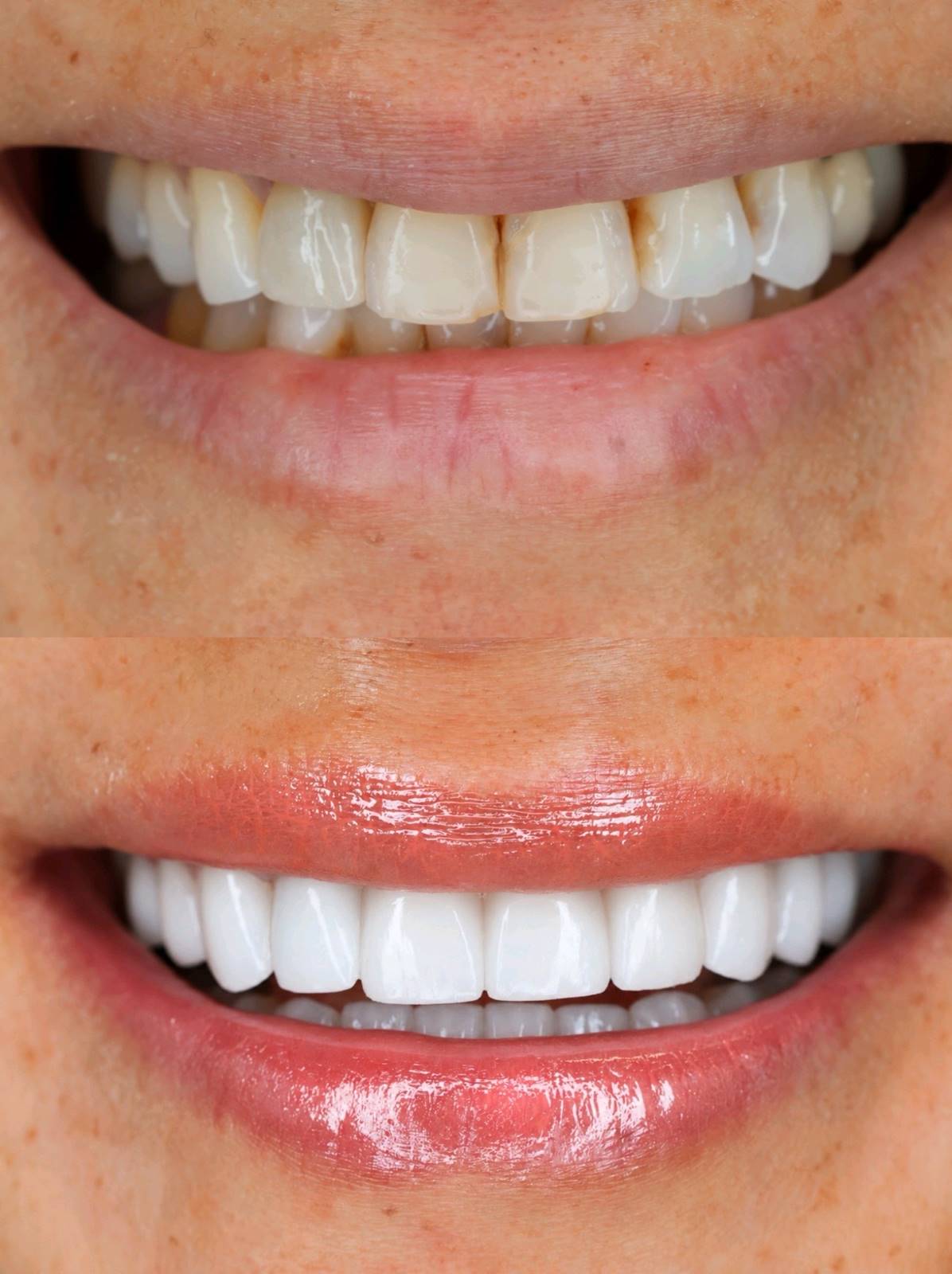
Expert Care When Crisis Strikes at Newport Beach Smile Studio
At Newport Beach Smile Studio, we understand that dental emergencies don’t wait for convenient business hours. Our team prioritizes same-day appointments for urgent cases and maintains after-hours emergency protocols to ensure you’re never left managing severe pain or trauma alone. Whether you’re dealing with a knocked-out tooth, a painful abscess, or broken tooth treatment needs, our experienced clinicians provide compassionate, immediate care focused on relieving your discomfort and preserving your oral health.
We accept most dental insurance plans and offer flexible payment options because we believe financial concerns shouldn’t delay necessary emergency treatment. If you’re experiencing a dental emergency, don’t wait—contact Newport Beach Smile Studio now. Your smile and your comfort are our top priorities, and we’re here to help you through this stressful moment with expert care you can trust.
FAQs
These frequently asked questions address the most common concerns people have when facing urgent dental situations. If your specific situation isn’t covered here, contact our office for personalized guidance.
1. How long can I wait to see a dentist after knocking out a tooth?
The sooner you act, the better your chance of saving a knocked-out permanent tooth, with the first hour being most critical. Keep the tooth moist in milk or saliva, handle it only by the crown, and get to an emergency dentist immediately for potential reimplantation. Every minute counts when it comes to successful reattachment.
2. What counts as a dental emergency that requires immediate care?
True emergencies include knocked-out teeth, uncontrolled bleeding, facial swelling affecting breathing or swallowing, trauma causing broken jaw bones, and abscesses with fever. Severe tooth pain, broken teeth, and lost crowns are urgent but can typically wait a few hours for professional care rather than requiring an ER visit.
3. Can I go to the emergency room for a dental emergency?
Hospital emergency rooms can address life-threatening issues like uncontrolled bleeding, facial swelling compromising airways, or jaw fractures, but they cannot perform most dental procedures. For toothaches, broken teeth, or lost fillings, an emergency dentist provides more appropriate and cost-effective care. Reserve the ER for situations where your breathing or severe bleeding is at risk.
4. What should I do for severe tooth pain in the middle of the night?
Rinse your mouth with warm salt water, take over-the-counter pain medication as directed, apply a cold compress to the outside of your cheek, and sleep with your head elevated. Contact an emergency dentist first thing in the morning or use after-hours emergency contact numbers if pain is unbearable or accompanied by fever or swelling.
5. How can I temporarily fix a broken tooth before seeing the dentist?
Rinse your mouth with warm water, save any broken pieces, cover sharp edges with dental wax or sugar-free gum if causing cuts, and take pain medication as needed. Apply a cold compress to reduce swelling and see a dentist within 24 hours to prevent infection and further damage. Avoid chewing on that side of your mouth until it’s professionally repaired.


