

How Much Does It Cost to Fix a Chipped Tooth in Orange County
July 9, 2026
Crowns for Teeth: What Modern Materials and Technology Mean for Your Smile
July 13, 2026
If you’ve been avoiding a root canal because you’re terrified of the pain, you’re not alone. Dental anxiety affects millions of people, and root canals have earned a reputation as one of the most dreaded procedures in dentistry. But here’s the truth: with the right dentist and modern technology, the answer to that question has changed dramatically from 20 or 30 years ago. Today’s root canal procedures are designed to be comfortable, and most patients report feeling little to no pain during treatment. This guide walks you through what to expect during root canal therapy, why outdated myths persist, and how advanced techniques have transformed the experience into something far less frightening than you might imagine.
Understanding the reality of root canal pain starts with separating fact from fear. The procedure itself targets infected or damaged tooth pulp, and modern anesthesia ensures you won’t feel the work being done. What you may feel afterward is manageable discomfort similar to other dental work. The key difference between a painful root canal and a comfortable one often comes down to the expertise of your dentist, the technology they use, and how well they manage your anxiety throughout the process.
The Honest Truth About Root Canal Pain During Your Procedure
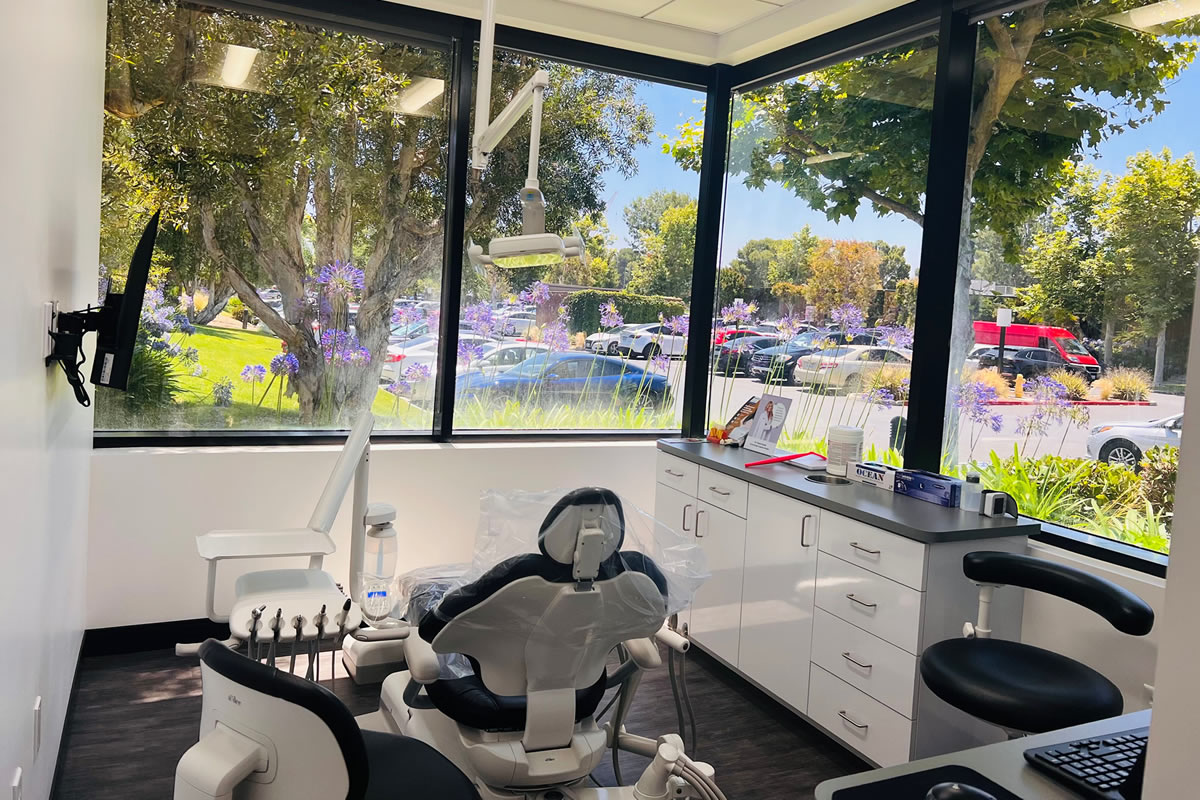
The short answer to “Does a root canal hurt?”: the procedure should not hurt when performed with proper anesthesia. Your dentist will numb the affected tooth and surrounding tissue completely before beginning any work. With computer-controlled anesthesia delivery systems, the injection itself is more comfortable than traditional methods.
What patients actually feel during a root canal is pressure and vibration, not pain. You may sense the dentist working, but the nerve that transmits pain signals is fully numbed. If you feel any discomfort, your dentist can administer additional anesthesia.
| Sensation | What It Feels Like | Pain Level (1-10) |
|---|---|---|
| Initial Anesthesia Injection | Brief pinch or pressure, then numbness spreads | 1-2 |
| During Cleaning and Shaping | Pressure and vibration, no sharp pain | 0-1 |
| Filling the Canals | Mild pressure as material is placed | 0-1 |
| Immediately After (Anesthesia Wears Off) | Tenderness similar to after a deep filling | 2-4 |
Why Root Canals Have a Bad Reputation (And Why That’s Outdated)
The negative perception surrounding root canals stems largely from outdated experiences and stories passed down from previous generations. Root canals have a bad reputation because of outdated dental practices from decades past, and the power of word-of-mouth fear that persists across generations.
Before the 1990s, less effective anesthesia and manual tools made the procedure uncomfortable. By 2026, rotary instruments, digital X-rays, and advanced anesthetics have transformed root canals into routine, low-discomfort procedures.
Common myths continue to circulate, but the facts tell a different story:
- Myth: It’s the most painful dental procedure. Fact: Studies show that most patients rate the root canal pain level as comparable to getting a filling, and many report less discomfort than they expected.
- Myth: You’ll need days to recover and will be in severe pain. Fact: Most patients return to normal activities the same day or the next day, with only mild soreness that responds well to over-the-counter pain relievers.
- Myth: Extraction is less painful than a root canal. Fact: Tooth extraction often involves more post-procedure pain and a longer healing period, plus the need for a replacement tooth to avoid shifting and bite problems.
Anxiety and fear play a significant role in how patients perceive pain. When you’re tense and worried, your body’s stress response can amplify discomfort and make you hyper-aware of every sensation. This is one reason why choosing a dentist who prioritizes patient comfort and offers sedation options can make such a dramatic difference in your experience.
Root Canal Recovery Timeline: What to Expect After Your Appointment
Understanding the root canal recovery timeline helps set realistic expectations and reduces anxiety about what comes next. Immediately after your procedure, you’ll likely still be numb for one to three hours. Once the anesthesia wears off, you may notice tenderness or mild throbbing in the treated area.
Within the first 24 hours, discomfort typically peaks and then begins to subside. Most patients describe the sensation as similar to the soreness after a deep filling rather than sharp or severe pain.
By day two or three, most patients report significant improvement. How long does root canal pain last? For most people, any lingering discomfort resolves within three to five days. Comparing root canal vs tooth extraction pain, extraction sites often require 7–10 days for initial healing, with continued sensitivity for weeks.
| Timeframe | What to Expect |
|---|---|
| First 1-3 Hours | Numbness from anesthesia; avoid eating until sensation returns |
| First 24 Hours | Mild to moderate tenderness; over-the-counter pain relief effective |
| Days 2-3 | Discomfort decreases noticeably; most patients resume normal activities |
| Days 4-7 | Minimal to no pain; tooth may feel slightly different but not painful |
| Beyond 1 Week | Full resolution; if pain persists, follow up with your dentist |
How Newport Beach Smile Studio Makes Root Canals Comfortable and Anxiety-Free
Choosing the right dentist is the single most important factor in determining whether your root canal experience will be comfortable or stressful. At Newport Beach Smile Studio, the focus is on answering “Does a root canal hurt?” with a resounding “not here.” The practice uses advanced technology and patient-centered protocols designed to address both the physical and emotional aspects of dental anxiety.
For patients who feel nervous or fearful, sedation options are available for your root canal. Options include nitrous oxide for mild relaxation or oral conscious sedation for deeper calm.
The practice also employs comfort protocols that go beyond sedation. Noise-canceling headphones, warm blankets, and a calm environment reduce anxiety triggers. The dentist takes time to explain each step before it happens, so you’re never surprised by a sensation or sound. This transparency builds trust and helps patients feel in control, which significantly reduces the stress response that can amplify pain perception.
Advanced Technology That Eliminates Traditional Pain Points
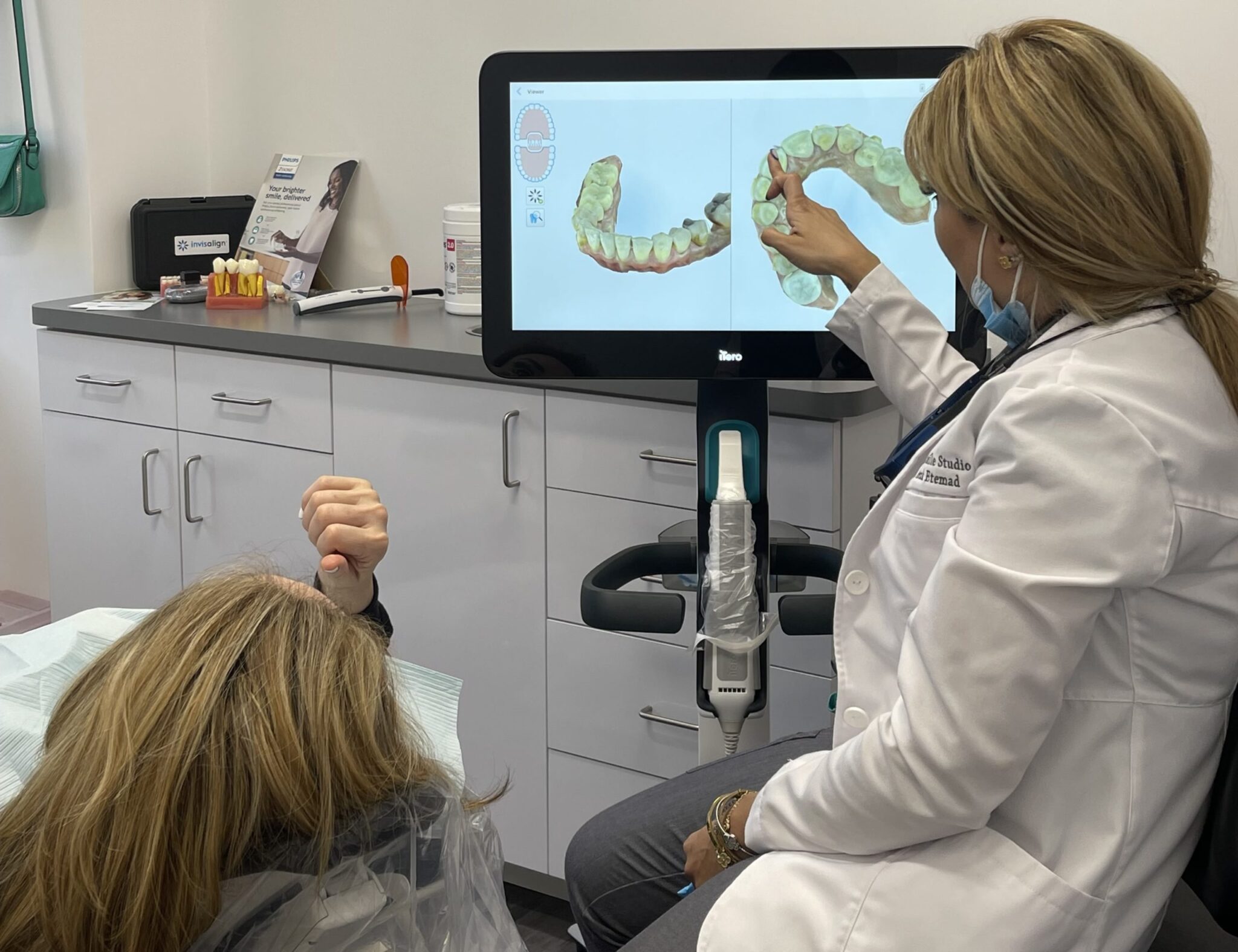
Computer-controlled local anesthesia delivery systems ensure a slow, steady flow of numbing medication, reducing the pressure and sting of traditional injections. Rotary endodontic instruments complete the cleaning process faster and more smoothly than manual files, shortening your time in the chair and minimizing post-procedure soreness.
Why does choosing the right dentist matter more than the procedure itself? Because skill, experience, and a commitment to patient comfort directly influence outcomes. Patients consistently report that their biggest regret is waiting so long to schedule treatment once they realize how manageable the process actually is.
Your Next Step Toward a Pain-Free Smile at Newport Beach Smile Studio
If you’ve been putting off a root canal because of fear or outdated information, it’s time to reconsider. The question “does a root canal hurt?” no longer has the answer it did decades ago. With the right care, advanced technology, and a dentist who understands how to manage anxiety, you can expect a smooth experience and a quick recovery. Newport Beach Smile Studio is committed to providing compassionate, state-of-the-art endodontic care that prioritizes your comfort every step of the way. Don’t let fear keep you from the relief you deserve—schedule a consultation today to discuss your options, ask questions, and discover how different a root canal can be when you’re in expert hands.
FAQs
Here are answers to the most common questions patients ask about root canal pain, recovery, and what to expect during treatment.
1. Is root canal worse than filling?
A root canal is not significantly more painful than a filling when performed with proper anesthesia. The procedure involves more steps and takes longer, but the actual pain level during treatment is comparable. Afterward, you may experience slightly more tenderness due to the extent of work done, but this is manageable with over-the-counter pain relievers and typically resolves within a few days.
2. How long does pain last after a root canal?
Most patients experience mild to moderate discomfort for the first 24 to 48 hours after a root canal, with noticeable improvement by the third day. The majority of soreness resolves within three to five days. If pain persists beyond a week or worsens, contact your dentist to rule out complications.
3. What’s the pain level during a root canal on a scale of 1 to 10?
When patients ask “does a root canal hurt?” during the procedure, the answer with effective anesthesia is typically no—most report a pain level of 0 to 1, feeling only pressure and vibration rather than sharp pain. The initial injection may cause brief discomfort rated around 1 to 2. After the procedure, as anesthesia wears off, tenderness typically ranges from 2 to 4 on the pain scale for the first day or two.
4. Can I get sedation for my root canal if I’m anxious?
Yes, sedation options are available for patients who feel anxious about root canal treatment. Nitrous oxide provides mild relaxation, while oral conscious sedation offers stronger calming effects for those with moderate to severe dental anxiety. Discuss your concerns with your dentist during your consultation to determine which option is right for you.
5. Is root canal pain worse than extraction pain?
Root canal pain is generally less severe and shorter in duration than extraction pain. Tooth extraction involves removing the entire tooth and surrounding tissue, which often results in more post-procedure discomfort and a longer healing period of 7 to 10 days or more. Root canals typically involve only mild soreness that resolves within a few days, making recovery faster and less disruptive.


