
What Happens During Wisdom Teeth Extraction and How to Prepare for Your Appointment
June 19, 2026
When Can I Eat Solid Food After Tooth Extraction: Day-by-Day Timeline
July 3, 2026
If you’ve been weighing the decision between professional teeth whitening and at-home kits, understanding what actually happens during an in-office appointment can help you make an informed choice. Professional teeth whitening involves more than simply applying bleach to your teeth — it’s a carefully monitored procedure that combines protective protocols, high-concentration whitening agents, and advanced activation technology to deliver dramatic results in a single visit. This guide walks you through every step of the appointment, from the initial shade assessment to walking out with a noticeably brighter smile.
Knowing what to expect during teeth whitening helps ease any anxiety and sets realistic expectations for both the experience and the outcome. Unlike over-the-counter products that require weeks of daily use, in-office treatment delivers immediate, visible results through a structured process that typically takes 60 to 90 minutes. We’ll also cover how long professional bleaching results last, what maintenance looks like, and why clinical-grade treatment offers advantages that at-home methods simply cannot match.
The Complete Appointment Process From Start to Finish
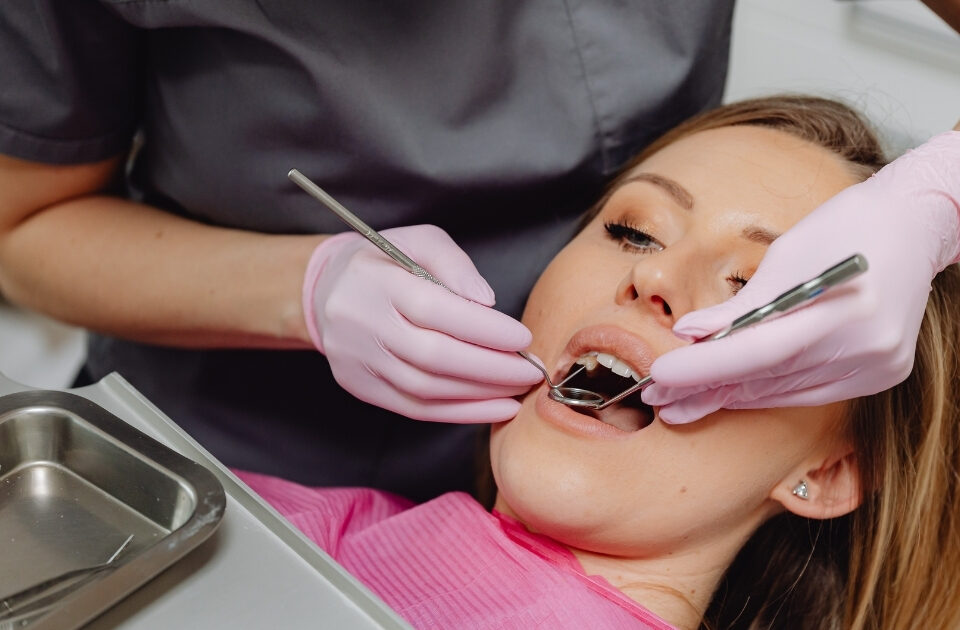
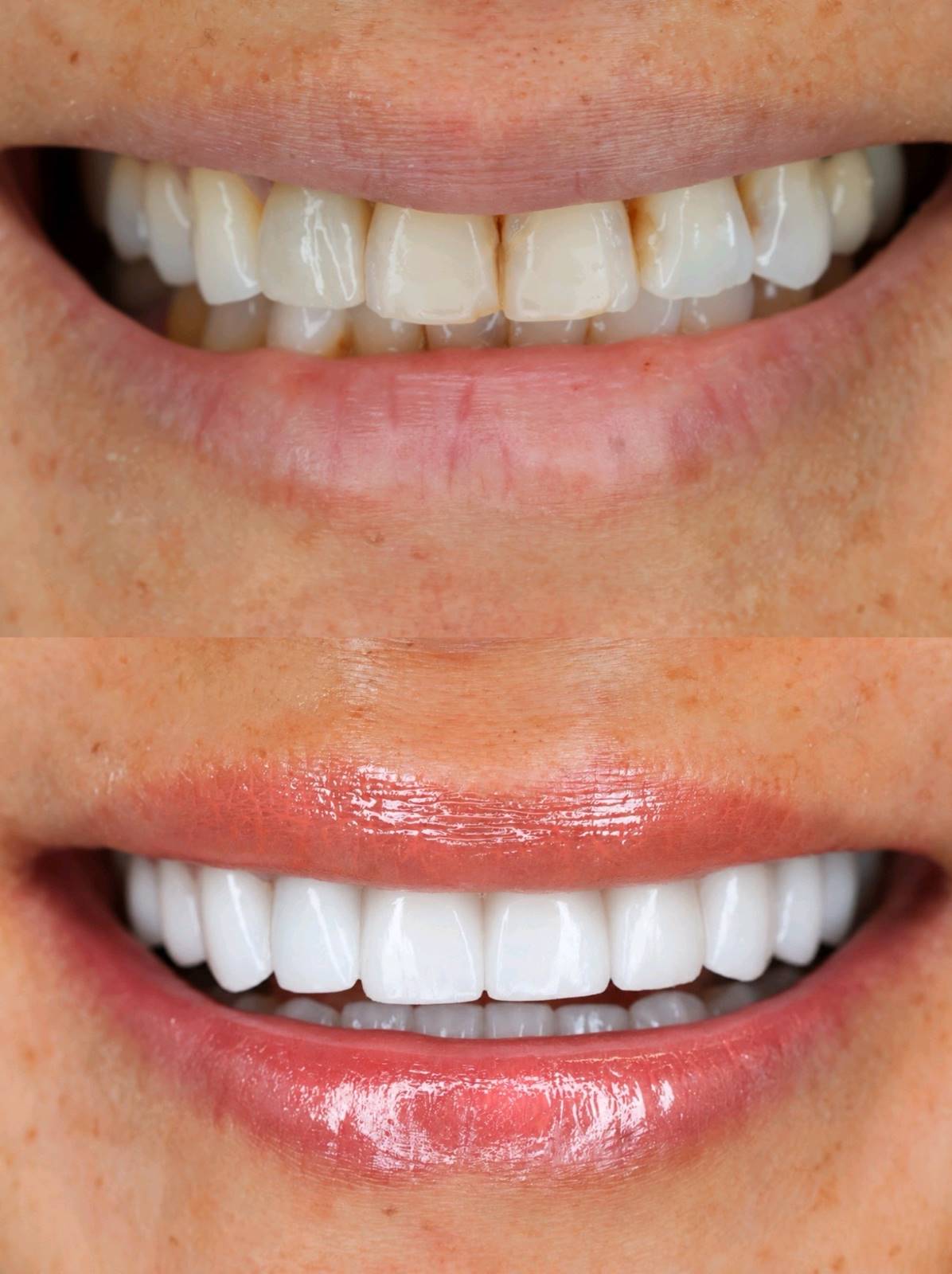
Your professional teeth whitening appointment begins with a thorough examination to confirm you’re a good candidate for whitening. The dentist checks for untreated cavities, gum disease, or exposed roots that could cause sensitivity or uneven results. Once cleared, a baseline shade is recorded using a standardized shade guide — this allows you to see the dramatic difference at the end of the session.
Next comes the preparation phase, which is critical for safety and effectiveness. Your dentist applies a protective barrier to your gums and soft tissues, typically a liquid dam that hardens under a curing light. The whitening gel is then carefully painted onto each visible tooth. Many practices use LED or laser activation to accelerate the process. The gel remains on for 15 to 20 minutes per cycle, with most treatments involving three cycles. After the final cycle, the gel is removed, the protective barriers are peeled away, and your teeth are rinsed thoroughly. A fluoride treatment or desensitizing gel is often applied to minimize any post-treatment sensitivity. Most patients leave with teeth that are noticeably whiter and brighter.
Why In-Office Treatment Delivers Superior Results
Understanding the difference between in-office teeth whitening vs at-home options helps you make an informed decision about which approach fits your goals and timeline.
- Professional monitoring and customized treatment plans address your specific type of staining and adjust the protocol to match your tooth structure and sensitivity threshold.
- Advanced activation systems such as LED or laser technology accelerate the bleaching process, reducing chair time while maximizing effectiveness.
- Professional monitoring ensures safety — dentists use protective barriers, clinically tested formulations, and strict protocols to protect enamel and soft tissue while minimizing sensitivity. Your dentist will address any untreated cavities, gum disease, or exposed roots before proceeding, and can discuss alternatives if you have visible restorations on front teeth.
| Treatment Type | Concentration | Time to Results |
|---|---|---|
| In-Office Professional | High-concentration hydrogen peroxide | 60–90 minutes (same day) |
| Dentist-Dispensed Take-Home Trays | Moderate-concentration carbamide peroxide | 2–4 weeks (daily use) |
| Over-the-Counter Strips | Low-concentration hydrogen peroxide | 2–3 weeks (daily use) |
| Whitening Toothpaste | Abrasives only (no bleach) | Several months (minimal effect) |
How Long Results Last and What Maintenance Looks Like
“How long does teeth whitening last?” is one of the most common questions patients ask after treatment. The answer depends on your lifestyle, oral hygiene habits, and diet. Most people enjoy noticeably whiter teeth for one to three years before considering a touch-up, though some see gradual fading sooner if they consume staining foods and beverages regularly. Coffee, red wine, tea, and dark berries are the primary culprits that cause whitening to fade over time. Tobacco use — whether smoking or chewing — also accelerates discoloration.
To extend the longevity of your whitening, most dentists recommend a maintenance routine that includes brushing twice daily with a whitening toothpaste, flossing regularly, and scheduling professional cleanings every six months. Some practices also provide custom take-home trays and a supply of lower-concentration gel for periodic touch-ups between in-office sessions. Following teeth whitening maintenance tips such as avoiding staining foods for 48 hours after treatment and rinsing with water after consuming dark beverages can significantly preserve your results.
| Maintenance Strategy | Frequency | Impact on Longevity |
|---|---|---|
| Whitening toothpaste (daily brushing) | Twice daily | Removes surface stains, extends results by 3–6 months |
| Professional cleanings | Every 6 months | Prevents plaque buildup that dulls whiteness |
| At-home touch-up trays | 1–2 nights every 3–4 months | Maintains brightness between in-office sessions |
| In-office touch-up session | Every 12–18 months | Restores original whiteness, resets the clock |
Choosing the Best Teeth Whitening Method for Your Goals
Determining the best teeth whitening method for your needs requires understanding the trade-offs between speed, cost, and results. In-office treatment is the gold standard for patients who want immediate, dramatic improvement and are willing to invest in a single, supervised session. Dentist-dispensed take-home trays offer a middle ground between professional and over-the-counter options, using a lower concentration of bleaching gel that requires one to two hours daily over two to four weeks.
Over-the-counter strips and trays are the most affordable option but deliver the least dramatic results. For stubborn intrinsic stains — discoloration that originates from within the tooth due to medication, trauma, or excessive fluoride exposure — whitening alone may not be enough. In these cases, your dentist may recommend combining bleaching with veneers or bonding to achieve a uniform, bright appearance.
Brighten Your Smile With Confidence at Newport Beach Smile Studio
If you’re ready to experience the difference that professional teeth whitening can make, the team at Newport Beach Smile Studio is here to help. Our experienced cosmetic dentists use advanced whitening technology tailored to your unique goals, whether you’re preparing for a special event or simply want to refresh your smile. We’ll conduct a thorough assessment to confirm you’re a good candidate, discuss realistic expectations based on your current shade and staining type, and create a personalized treatment plan that fits your schedule and budget. Call our office today to schedule your whitening consultation and discover what professional results look like. A brighter, more confident smile is just one appointment away.
FAQs
The following are the most frequently asked questions regarding teeth whitening.
1. How much does professional teeth whitening cost compared to at-home kits?
In-office whitening typically ranges from $399/$499 per session, while at-home kits cost $20 to $400. Professional treatment delivers immediate, dramatic results — typically several shades lighter — in one visit, whereas at-home options require weeks of daily use for modest improvement. When you calculate the teeth whitening cost per year and factor in the longevity of professional results, in-office treatment often provides better long-term value.
2. Is teeth whitening safe for my enamel?
Yes, when performed by a licensed dentist, professional whitening is safe and does not damage enamel. Dentists use protective barriers for gums and soft tissue, monitor the process to prevent excessive sensitivity, and use clinically tested formulations approved by dental associations. Temporary sensitivity is common but typically resolves within 24 to 48 hours.
3. What’s the best teeth whitening method for stubborn stains?
In-office treatment is most effective for stubborn extrinsic stains from coffee, wine, tobacco, or aging. For intrinsic stains caused by medication, trauma, or fluorosis, your dentist may recommend combining whitening with veneers or bonding to achieve optimal results. A consultation allows your dentist to assess your specific type of discoloration and recommend the most effective approach.
4. Can I eat and drink normally after professional teeth whitening?
You should avoid staining foods and beverages — including coffee, red wine, berries, and tomato sauce — for 48 hours after treatment while enamel pores are still open and most vulnerable to new discoloration. After this initial period, you can resume your normal diet, but maintaining good oral hygiene and limiting staining habits will help preserve your results. Rinsing with water after consuming dark beverages is a simple way to protect your investment.
5. How do I maintain my teeth whitening results long-term?
Brush twice daily with whitening toothpaste, avoid tobacco, limit staining beverages or use a straw, and schedule professional cleanings every six months. Your dentist may also provide custom take-home trays for periodic touch-ups between in-office sessions. Most patients benefit from a touch-up treatment every 12 to 18 months to maintain brightness, though this varies based on lifestyle and diet.