How to Whiten Teeth Based on Your Timeline and Budget
June 5, 2026
What Does Invisalign Cost in Orange County? 2026 Pricing Breakdown
June 9, 2026
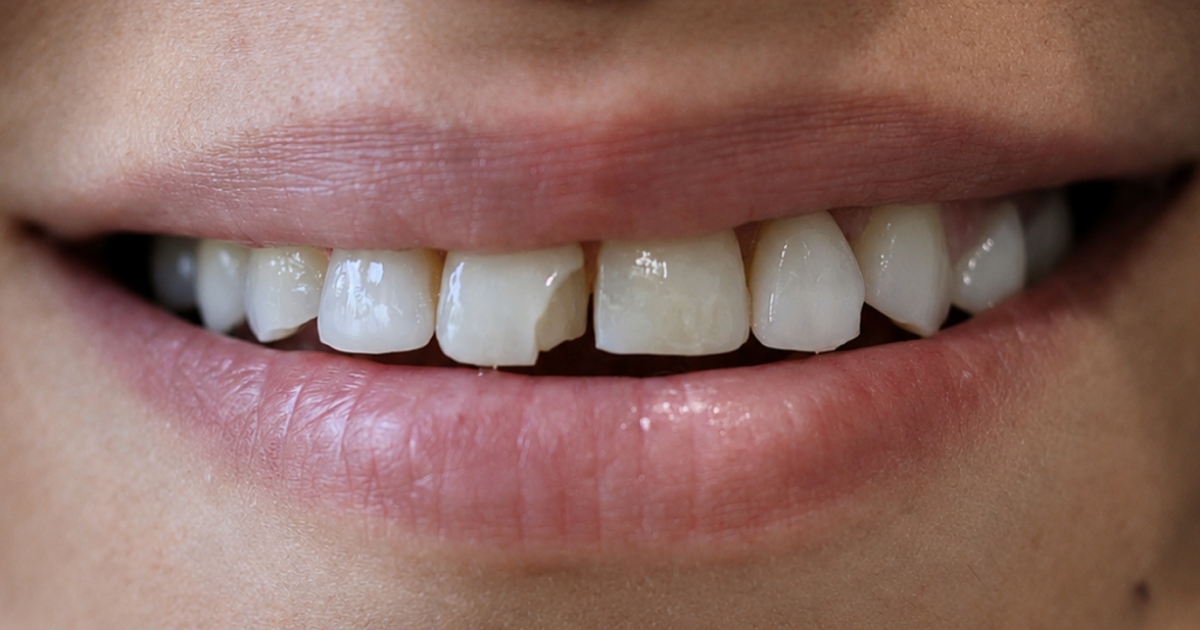
Discovering a slightly chipped tooth can feel alarming, but in most cases it’s not a dental emergency. Whether you bit down on a popcorn kernel, took an elbow during a pickup game, or woke up to find a rough edge after grinding your teeth overnight, the good news is that modern dentistry offers simple, effective solutions for minor tooth damage repair. The key is understanding when your chip needs immediate attention and when you can schedule a routine appointment without worry.
Even small chips deserve professional evaluation. What looks like a purely cosmetic issue on the surface can sometimes signal more serious damage to the tooth structure, and delaying treatment may allow bacteria to enter or the fracture to spread. This article will help you assess your situation, understand your options, and make an informed decision about the next steps for your smile.
How to Assess the Severity of Your Slightly Chipped Tooth
The first step after discovering a chip is determining whether you need emergency dental care for broken tooth situations or if you can wait for a scheduled visit. Pain is a critical indicator: mild sensitivity to temperature suggests enamel damage alone, while throbbing pain or visible pink tissue inside the chip means the nerve may be exposed and requires same-day attention.
Visual inspection helps distinguish cosmetic chips from functional damage. A tiny chip confined to the outer edge of a front tooth with no discoloration or sensitivity is typically cosmetic and can wait a few days for repair. However, if the chip extends below the gum line, reveals a dark spot inside the tooth, or affects your bite when you close your mouth, these are signs of structural compromise that warrant prompt professional assessment.
| Severity Level | Symptoms | Recommended Timeline |
|---|---|---|
| Minor cosmetic chip | No pain, smooth edges, enamel only | Schedule within 1-2 weeks |
| Moderate chip | Mild sensitivity, rough edge, visible dentin | See dentist within 2-3 days |
| Severe chip or fracture | Sharp pain, bleeding, nerve exposure, loose fragment | Same-day emergency care |
Common Causes and Why Even Minor Tooth Damage Shouldn’t Be Ignored
Understanding how chips happen helps prevent future damage and underscores why timely tooth enamel chip treatment matters. Most slight chips result from everyday scenarios rather than dramatic accidents.
- Biting down on hard foods like ice, hard candy, popcorn kernels, or olive pits creates concentrated force that can fracture enamel, especially on teeth with existing fillings or weakened structure.
- Sports injuries and falls account for many front tooth chips, even from seemingly minor impacts.
- Nighttime teeth grinding (bruxism) gradually wears down enamel and creates weak spots that chip more easily during normal chewing.
- Using teeth as tools to open packages, tear tags, or crack nuts places lateral stress on teeth that aren’t designed to handle it.
The question “can a small chip get worse” has a clear answer: yes, untreated chips typically worsen over time. Once enamel is compromised, bacteria gain easier access to the underlying dentin layer, accelerating decay. What starts as a cosmetic concern requiring simple bonding can evolve into a crack that needs a crown or even root canal therapy if left untreated for months.
Treatment Options for Small Tooth Chips: From Bonding to Veneers
Modern cosmetic dentistry offers several effective solutions for repairing minor chips, with the right choice depending on the chip’s size, location, and your aesthetic goals. Understanding how to fix small tooth chip situations helps you have informed conversations with your dentist about which approach makes sense for your case.
Cosmetic Tooth Bonding for Minor Repairs
Dental bonding is the most common treatment for small chips because it’s conservative, affordable, and completed in a single visit. Your dentist applies tooth-colored composite resin, sculpts it to match your tooth, and hardens it with a special light. The entire procedure typically takes 30 to 60 minutes per tooth. Because it’s fast, affordable, and preserves your natural tooth, dental bonding is one of the most popular cosmetic tooth bonding options for restoring small chips in a single visit.
Tooth Contouring and Reshaping
For extremely minor chips with no functional impact, tooth contouring alone may solve the problem. This involves smoothing and polishing the enamel to remove the irregularity. The process is quick, painless, and preserves maximum natural tooth structure, though it only works when the chip is superficial and doesn’t require material to be added back.
Veneers and Crowns for Larger Chips
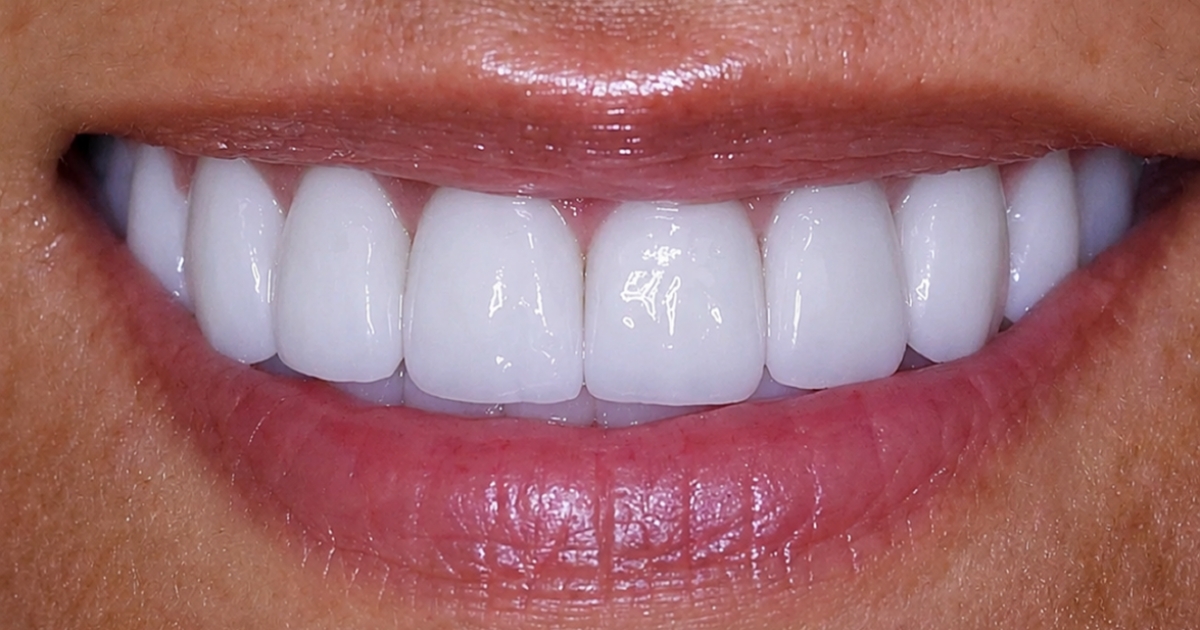
When a chip is too large for bonding to provide durable results, or when the affected tooth is highly visible, and you want a long-term cosmetic solution, porcelain veneers offer superior aesthetics and longevity. Veneers are thin shells that cover the front surface of the tooth, masking chips, stains, and shape irregularities simultaneously. For chips that compromise a significant portion of the tooth or affect chewing surfaces, a crown may be necessary to restore full strength and function. These options require two visits and cost more upfront but can last many years with proper care.
| Treatment | Best For | Average Cost Range |
|---|---|---|
| Dental bonding | Small to moderate chips, single-visit repair | $300-$600 per tooth |
| Tooth contouring | Superficial rough edges, minimal material loss | $50-$300 per tooth |
| Porcelain veneer | Front teeth, larger chips, comprehensive cosmetic improvement | $1,000-$2,500 per tooth |
| Dental crown | Extensive damage, back teeth, structural restoration | $1,200-$3,000 per tooth |
When to See Dentist for Chipped Tooth: Timing and Urgency Guidelines
Knowing when to see dentist for chipped tooth concerns can prevent complications and save you money in the long run. If your chip involves any of the following, contact your dentist the same day: severe pain that doesn’t respond to over-the-counter pain relievers, visible bleeding from the tooth or gums that continues beyond a few minutes, or a chip that leaves a sharp edge cutting your tongue or cheek. These situations require immediate professional attention to prevent infection, further damage, or soft tissue injury.
For a slightly chipped tooth without these urgent symptoms, aim to schedule an appointment within two to three days. Even if you feel no pain, bacteria can colonize the exposed dentin and begin the decay process quickly.
Insurance coverage often hinges on whether the repair is deemed medically necessary or purely cosmetic. Chips that affect your ability to eat, cause pain, or risk further structural damage are usually covered under restorative benefits, while small cosmetic chips on front teeth may fall under cosmetic exclusions.
Smile Confidently with Newport Beach Smile Studio
A slightly chipped tooth may seem like a minor inconvenience, but addressing it promptly protects your oral health and preserves your smile’s appearance. Whether you need same-day care for a painful fracture or want to schedule cosmetic bonding for a small front tooth chip, Newport Beach Smile Studio offers flexible appointments, transparent pricing, and expert care tailored to your needs. Our team specializes in conservative treatments that preserve your natural tooth structure while delivering beautiful, long-lasting results. Don’t wait for a small chip to become a bigger issue—contact us today to schedule your evaluation and discover how quickly and comfortably we can restore your smile.
FAQs
Here are answers to the most common questions patients ask about minor tooth chips and their treatment.
1. Can a slightly chipped tooth heal on its own?
No, tooth enamel cannot regenerate or repair itself once damaged. Unlike bone or skin, enamel lacks living cells and has no capacity for self-healing. Even minor chips require professional treatment to prevent bacteria from entering the tooth, causing decay, or allowing the fracture to spread deeper into the tooth structure over time.
2. How much does it cost to repair a small chip in a front tooth?
Cosmetic bonding for minor front tooth chips typically ranges from $300 to $600 per tooth in Orange County, while porcelain veneers cost between $1,000 and $2,500. The exact cost to repair chipped front tooth damage depends on the chip’s size, the tooth’s location, and whether your insurance classifies the treatment as restorative or cosmetic.
3. What should I do immediately after chipping my tooth?
Rinse your mouth gently with warm salt water to clean the area and reduce bacteria. If you can find the chipped fragment, save it in milk or saliva and bring it to your dental appointment. Apply a cold compress to the outside of your cheek to minimize swelling, cover any sharp edges with dental wax or sugar-free gum to protect your tongue, and contact your dentist within 24 to 48 hours even if you’re not experiencing pain.
4. Will my insurance cover fixing a chipped tooth?
Coverage depends on whether the damage is functional or purely aesthetic. Most dental insurance plans cover chips that cause pain, affect your ability to eat, or pose a risk of further damage under restorative benefits. However, small cosmetic chips on front teeth that don’t impact function may not be covered, leaving you responsible for the full cost. Your dentist’s office can review your specific plan and help you understand your benefits before treatment begins.
5. How long can I wait to fix a slightly chipped tooth?
While small cosmetic chips without pain or sharp edges can wait a few weeks without immediate harm, you should see a dentist within two to three days to prevent complications. Delaying treatment allows bacteria to colonize the exposed tooth structure, increases the risk of the fracture spreading, and may turn a straightforward bonding procedure into a more complex and expensive crown or root canal case.