
Reasons to Get Professional Teeth Whitening Services
July 1, 2026
What to Do During a Dental Emergency Before Seeing Your Dentist
July 5, 2026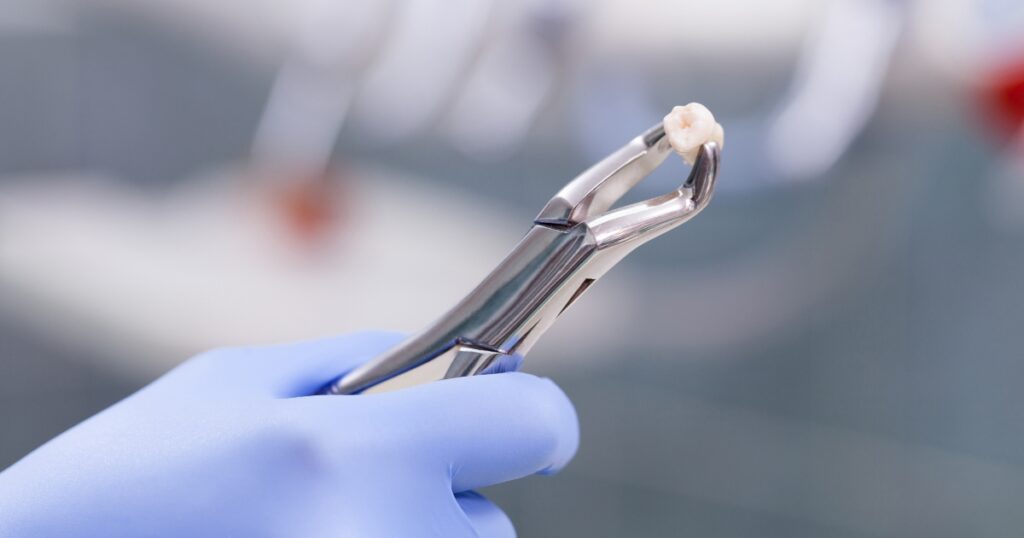
Tooth extraction recovery requires careful attention to your diet, and knowing what to eat—and when—can make the difference between smooth healing and painful complications. Most patients wonder: when can I eat solid food after tooth extraction? The answer is nuanced—you can typically begin reintroducing solid foods gradually between days 3 and 7, but the exact timeline depends on your extraction type, healing progress, and individual factors. This guide walks you through each phase of recovery with specific food recommendations, warning signs to watch for, and practical strategies to protect your healing socket while maintaining proper nutrition.
Understanding the answer to this question—and how to progress from liquids to soft foods after dental surgery—helps you avoid setbacks like dry socket, infection, or prolonged discomfort. The key is listening to your body, following your dentist’s instructions, and advancing through each stage only when your mouth is ready.

The First 24 Hours: Starting Your Recovery With Liquids and Soft Foods
The initial day after extraction is critical for blood clot formation, which protects the exposed bone and nerves in your socket. During this period, stick exclusively to cool or room-temperature liquids and extremely soft foods that require no chewing. Appropriate options include smooth applesauce, plain yogurt, protein shakes, lukewarm broth, and pudding. Avoid anything hot, as heat can dissolve the protective clot and trigger bleeding.
Hot coffee, tea, or soup can dislodge the clot forming in your extraction site, leading to dry socket—a painful condition that exposes bone and delays healing by weeks. Similarly, never use a straw during the first week, as the suction creates negative pressure that pulls the clot out of the socket. Sip directly from a cup or use a spoon for thicker liquids. A simple dry socket prevention diet centers on soft, pressure-free foods.
Don’t eat while your mouth is still numb. Also avoid acidic beverages and chunky ice cream — stick to plain varieties.
Days 2-7: Gradual Progression From Soft to Semi-Solid Foods
As the initial clot stabilizes and inflammation begins to subside, you can slowly introduce foods with slightly more substance. Pay attention to pain levels—if a food causes sharp pain or pressure at the extraction site, return to softer options for another day or two.
During this week, your diet can expand to include mashed potatoes, scrambled eggs, well-cooked pasta, oatmeal, smoothies with soft fruits, cottage cheese, and flaky fish. These are some of the best foods for healing after a tooth is pulled — they provide essential protein without aggressive chewing. Direct all food to the opposite side of your mouth.
- Throughout the week: Maintain hydration with water, milk, and non-acidic juices; avoid carbonated beverages that can irritate the site
- Warning signs to step back: Increased pain, bleeding that restarts, swelling that worsens, or visible food particles stuck in the socket
- Nutritional focus: Prioritize protein-rich options to support tissue repair and vitamin C sources like mashed berries to promote collagen formation
| Recovery Day | Texture Level | Example Foods |
|---|---|---|
| 1 | Liquids and purees only | Broth, smoothies, applesauce, plain yogurt |
| 2-3 | Very soft, no chewing required | Mashed potatoes, cream of wheat, pudding |
| 4-5 | Soft foods requiring minimal chewing | Scrambled eggs, pasta, cottage cheese |
| 6-7 | Semi-solid, tender foods | Ground meat, soft rice, cooked vegetables |
Week 2 and Beyond: Safely Returning to Your Normal Diet
How long until normal eating after extraction? Most patients can return to their regular diet between 10 and 14 days for simple procedures. By the second week, the socket has begun filling with granulation tissue—a sign of healthy healing—and you can cautiously test foods that require more chewing.
When you ask yourself, “When can I eat solid food after tooth extraction?” remember that transitioning from liquids to solids after extraction should never feel rushed. Your tooth extraction recovery timeline varies based on procedure complexity—simple extractions often allow normal eating by day 10, while surgical cases may require three weeks. Some patients return to normal eating by day 10, while others need three full weeks, particularly after surgical extractions or multiple tooth removals.
What to Avoid Eating After Tooth Removal
Certain foods pose risks throughout the entire recovery period, not just the first week. Hard foods like nuts, popcorn, chips, and raw carrots can fracture the healing tissue or become lodged in the socket, introducing bacteria. Sticky substances such as caramel, taffy, or gummy candy can pull at the extraction site and dislodge protective tissue. Small seeds from strawberries, raspberries, or bread can embed themselves in the socket, causing irritation or infection.
Spicy foods and acidic items like citrus fruits or tomato sauce may not physically damage the site but can cause significant stinging and discomfort. Alcohol should be avoided for at least 48 hours and longer if you’re taking prescription pain medication, as it interferes with healing and can interact dangerously with medications.
To prevent dry socket specifically, focus on pain-free foods after a dental procedure that require minimal mouth movement and create no suction or pressure. Dry socket occurs when the blood clot dislodges prematurely, exposing bone and nerves. This complication causes severe throbbing pain starting around day three or four.
Beyond avoiding straws and hot liquids, protect the clot by eating slowly, taking small bites, and never rinsing vigorously during the first 24 hours. After that initial period, gentle saltwater rinses help keep the area clean without disturbing healing tissue. Chew exclusively on the opposite side of your mouth for at least one week, and avoid touching the extraction site with your tongue, which can dislodge the clot.
| Food Category | Avoidance Period | Reason |
|---|---|---|
| Hot beverages and soups | First 24 hours minimum | Dissolves blood clot, triggers bleeding |
| Crunchy or hard foods | Two to three weeks | Can fracture healing tissue or lodge in socket |
| Sticky or chewy items | Two to three weeks | Pulls at extraction site, dislodges protective tissue |
| Alcohol | 48 hours to one week | Interferes with healing, interacts with pain medication |
| Foods with small seeds | Until socket fully closes (three to four weeks) | Seeds embed in socket, cause irritation or infection |
Heal Better With Professional Guidance at Newport Beach Smile Studio
Every extraction heals differently, and personalized post-operative care makes the difference between smooth recovery and complications. At Newport Beach Smile Studio, our team provides detailed recovery instructions tailored to your procedure, monitors healing at follow-up appointments, and addresses concerns before they become problems. We guide you through each phase with clear timelines, food recommendations, and immediate support. Contact us today to schedule your post-operative check-up—we’re here to ensure your healing stays on track.
FAQs
The following questions address common concerns regarding tooth extraction.
1. Can I drink coffee or tea after tooth extraction?
Wait at least 24 hours before consuming coffee or tea, and ensure beverages are lukewarm rather than hot when you do resume them. Heat can dissolve the protective blood clot forming in your socket and trigger bleeding or dry socket. Avoid using straws for at least one week, as the suction creates negative pressure that dislodges the clot.
2. What happens if I eat solid food too soon after extraction?
Eating solids prematurely can dislodge the protective blood clot, leading to a painful dry socket that exposes bone and nerves. Food particles may also become trapped in the socket, introducing bacteria that cause infection. Stick to the recommended timeline for your specific procedure type—simple extractions typically allow semi-solid foods by day four or five, while surgical procedures may require seven to 10 days of soft foods.
3. How do I know if I have dry socket from eating the wrong foods?
Dry socket typically develops three to four days post-extraction with severe throbbing pain that radiates to your ear, bad breath or foul taste, and visible bone in the socket where the clot should be. The pain often worsens rather than improves as days pass. Contact your dentist immediately if you experience these symptoms, as dry socket requires professional treatment with medicated dressings to promote healing.
4. Are there foods I should avoid even after I can eat solids again?
For two to three weeks after extraction, avoid sticky foods like caramel or taffy, hard foods such as nuts or popcorn, and anything with small seeds that could lodge in the healing socket. Continue chewing on the opposite side of your mouth when possible. Even after returning to normal eating, be cautious with extremely hard foods for the first month, as the bone continues remodeling and strengthening during this period.
5. Can I speed up my recovery to eat solid foods faster?
Following post-operative instructions carefully, maintaining excellent oral hygiene while avoiding the extraction site, staying well-hydrated, and eating nutrient-rich soft foods all support optimal healing. However, rushing the process risks serious complications like dry socket or infection that actually extend recovery time significantly. Healing occurs on a biological timeline that cannot be safely accelerated—patience protects your long-term outcome.