
What Teeth Aligners Really Cost and Which Type Works Best for Your Smile
June 15, 2026
What Happens During Wisdom Teeth Extraction and How to Prepare for Your Appointment
June 19, 2026
Not all teeth bleaching delivers the same results. The outcome you see depends on your unique smile type, the origin of your stains, and the treatment method you choose. A professional approach that accounts for these variables produces dramatically different results than a one-size-fits-all product from a drugstore shelf.
Understanding what causes tooth discoloration and how different bleaching methods address specific stain types helps you make informed decisions. This guide breaks down how professional assessment, treatment concentration, and personalized protocols determine whether you achieve the bright, confident smile you want—or waste time and money on methods that don’t match your needs.
Why Your Stain Type Determines Teeth Bleaching Success
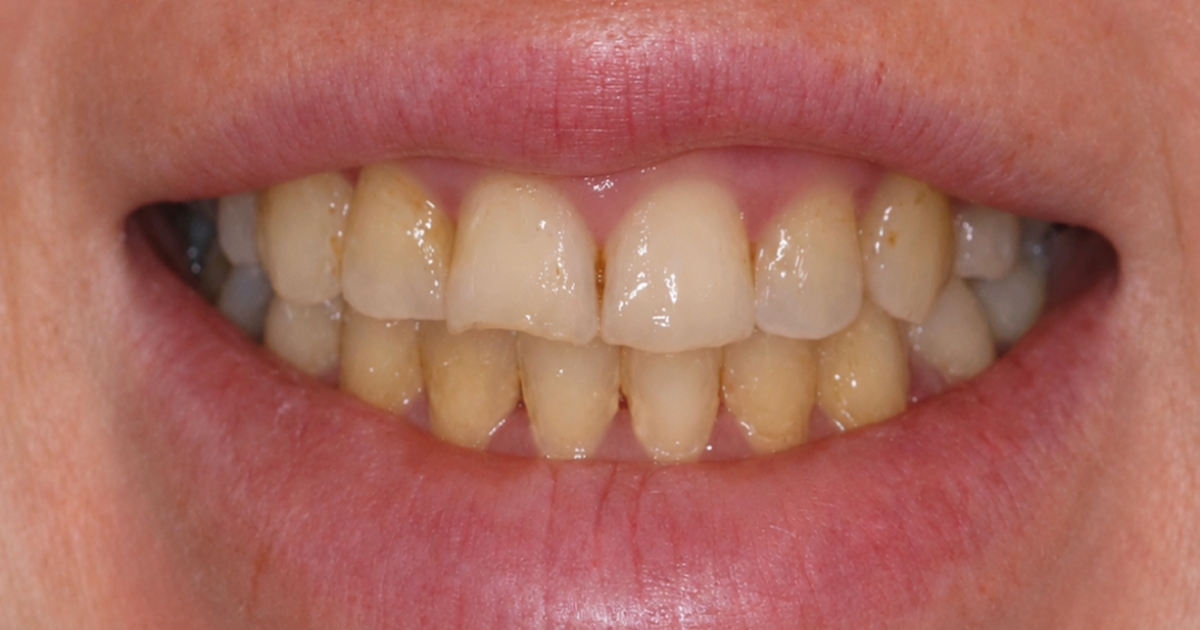
Discoloration falls into two broad categories — extrinsic stains that sit on the enamel surface, and intrinsic stains embedded within the tooth structure — but the real predictor of your results is the specific cause behind the color. Two people can both want a brighter smile and get very different outcomes from the same treatment, because a coffee stain and a tetracycline stain behave nothing alike. The table below maps common stain types to the approach that works best and the result you can realistically expect.
| Stain Type | Typical Cause | Best Approach | Realistic Result |
|---|---|---|---|
| Surface (extrinsic) | Coffee, tea, red wine, tobacco | In-office or custom take-home trays | Excellent — several shades lighter |
| Age-related (intrinsic) | Dentin yellowing as enamel thins over time | Professional bleaching, sometimes repeated | Good — noticeable but gradual improvement |
| Tetracycline banding | Antibiotics taken during tooth development | Bleaching helps only partially; veneers often better | Limited — gray bands rarely fully clear |
| Single dark tooth (trauma) | Injury affecting the tooth’s inner tissue | Internal bleaching, or a veneer/crown | Variable — depends on the individual tooth |
| Fluorosis spots | Excess fluoride during development | Bleaching can worsen contrast; microabrasion or veneers | Case-by-case — needs professional assessment |
This is exactly why a professional assessment comes first. A dentist examines your enamel thickness, existing dental work, and the depth of discoloration to tell you before you invest which result is achievable — so you’re not spending on a method that can’t address your particular stain. For surface stains from daily coffee, higher-concentration peroxide that penetrates enamel pores delivers results drugstore strips can’t match; for tetracycline or trauma stains, bleaching alone may disappoint, and a color-matched veneer is the more reliable path.
Professional Teeth Whitening vs At-Home Treatments: Real Results Timeline
The concentration of active bleaching agents varies widely across treatment types. Professional in-office treatments use significantly higher hydrogen peroxide concentrations than at-home products, which typically contain much lower percentages. This difference translates to visible results in one 60-minute session versus weeks of daily application.
When comparing at-home whitening vs professional options, consider cumulative costs. A single in-office session represents a higher upfront investment than drugstore products, while professional teeth whitening cost reflects expertise and monitoring. Longevity often makes professional treatment more economical.
- Shade matching and baseline photography track your starting color objectively and confirm which stains are actually lifting — so you know whether a result is realistic before you invest further.
- Accounting for crowns, veneers, and fillings that won’t respond to bleaching, using color-matching strategies so restorations don’t end up mismatched against newly whitened teeth.
- Real-time concentration adjustments if sensitivity develops, protecting thin or already-worn enamel that at-home products can’t assess or adapt to.
How long does teeth whitening last? Understanding this helps you budget both time and money for maintenance—a factor that makes professional treatment more predictable than over-the-counter alternatives.
Managing Sensitivity and Protecting Enamel During Bleaching
Sensitivity during teeth bleaching treatments occurs when bleaching agents temporarily open microscopic pores in enamel, exposing dentin tubules that connect to nerve endings. This reaction is common but manageable with the right precautions. Professional treatments incorporate desensitizing agents directly into the bleaching gel or apply them before and after each session to minimize discomfort.
The concern around “Is teeth whitening safe for enamel?” centers on proper application and concentration control. When performed under professional supervision, teeth bleaching does not permanently damage enamel. The process temporarily dehydrates teeth, which can cause transient sensitivity, but enamel remineralizes naturally within 24–48 hours. Problems arise when patients overuse at-home products, apply them incorrectly, or choose formulations too strong for their enamel condition.
Effective Teeth Whitening Sensitivity Relief Strategies
If sensitivity develops during treatment, several approaches provide relief. Switching to a toothpaste formulated for sensitive teeth two weeks before starting bleaching helps block dentin tubules in advance. During treatment, reducing the frequency of application—using trays every other day instead of daily—gives enamel time to recover between sessions. Fluoride rinses and prescription-strength desensitizing gels applied after each bleaching session strengthen enamel and reduce nerve exposure.
Newport Beach’s coastal environment introduces unique factors that can affect post-treatment sensitivity. An active, outdoor coastal lifestyle makes general aftercare habits worth prioritizing: staying hydrated, using a straw for acidic or staining drinks, and avoiding very hot or cold foods for 48 hours after treatment all help your teeth settle comfortably. Professional monitoring ensures that sensitivity remains within normal ranges and does not indicate underlying enamel erosion or other dental issues.
| Sensitivity Trigger | Prevention Strategy |
|---|---|
| High-concentration bleaching gel | Use lower concentrations for longer periods or apply desensitizing gel before treatment |
| Overuse of at-home products | Follow dentist-recommended schedules and avoid exceeding application times |
| Thin or eroded enamel | Professional assessment to determine candidacy and adjust treatment intensity |
| Gum irritation from ill-fitting trays | Custom-fitted trays that prevent gel contact with soft tissue |
Teeth Whitening Maintenance Tips for Lasting Results
Sustaining the brightness achieved through professional whitening requires deliberate habits and periodic touch-ups. The longevity of your results depends on dietary choices, oral hygiene practices, and whether you follow a maintenance protocol tailored to your lifestyle. Teeth whitening maintenance tips include avoiding or minimizing stain-causing foods and beverages, using a straw for coffee and wine, and brushing within 30 minutes of consuming pigmented substances.
Lifestyle Adjustments That Preserve Whitening Results
Coffee, red wine, tea, and dark berries contain chromogens—pigmented molecules that bind to enamel. Reducing consumption of these items extends the life of your whitening results. When you do indulge, rinsing with water immediately afterward helps prevent pigments from settling into enamel pores. Smoking and tobacco use cause rapid re-staining and should be avoided for optimal maintenance.
Professional touch-up treatments every 6–12 months keep teeth at their brightest without requiring a teeth bleaching protocol. Many dental practices offer take-home maintenance kits with lower-concentration gel for periodic use. These kits provide a cost-effective way to refresh your smile between professional sessions. Regular dental cleanings every six months also remove surface stains before they penetrate deeper into enamel.
Newport Beach Lifestyle Considerations
The social and professional culture in Newport Beach often involves wine tastings, outdoor dining, and events where appearance matters. Balancing these activities with whitening maintenance requires a proactive approach. Scheduling touch-up treatments before major events ensures your smile looks its best. Carrying a travel toothbrush and using it after meals prevents stain accumulation throughout the day.

Brighten Your Smile at Newport Beach Smile Studio
Achieving the whitening results you want starts with a personalized assessment of your stain type, enamel condition, and smile goals. Newport Beach Smile Studio provides customized teeth bleaching protocols that account for your unique dental structure and lifestyle. Professional monitoring throughout the process prevents sensitivity, protects enamel, and ensures even, natural-looking results. Whether you need a single in-office session or a take-home maintenance plan, the team designs a strategy that fits your schedule and delivers the confidence of a brighter smile. Contact the studio today to schedule a consultation and discover which whitening approach works best for you.
FAQs
These frequently asked questions address common concerns about whitening treatments, sensitivity management, and result longevity.
1. How long does professional teeth whitening last compared to at-home kits?
Professional in-office bleaching typically lasts 1–3 years with proper maintenance, while at-home treatments may last 3–6 months. The longevity depends on your dietary habits, oral hygiene, and whether you follow maintenance protocols.
2. What is the best teeth whitening option for coffee stains?
Professional bleaching works best for coffee stains because the higher-concentration peroxide penetrates deeper into enamel where coffee pigments settle. At-home whitening strips may lighten surface stains but rarely eliminate the deeper discoloration coffee creates over time.
3. Does teeth bleaching damage enamel?
When performed correctly with professional supervision, this treatment is safe for enamel and does not cause permanent damage. The key is using appropriate concentrations, proper application timing, and monitoring for sensitivity—all standard in professional treatments but difficult to control with DIY methods.
4. Why do my teeth hurt after whitening treatments?
Sensitivity occurs when bleaching agents temporarily open enamel pores, exposing dentin tubules that connect to nerve endings. This discomfort is usually temporary and can be managed with desensitizing toothpaste, fluoride treatments, or adjusting the bleaching concentration under professional guidance.
5. Can teeth bleaching remove all types of discoloration?
Teeth bleaching works best on yellow and brown extrinsic stains from food, drinks, and tobacco. Gray discoloration from medications like tetracycline or intrinsic stains from trauma may require alternative treatments like veneers, as bleaching agents cannot effectively penetrate these bigger structural changes.