

What to Do During a Dental Emergency Before Seeing Your Dentist
July 5, 2026
How Much Does It Cost to Fix a Chipped Tooth in Orange County
July 9, 2026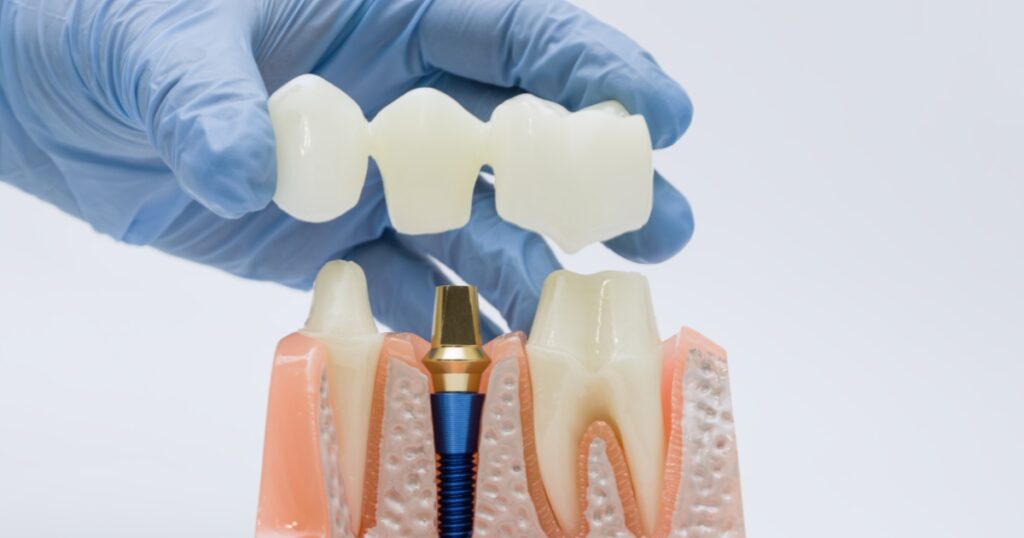
A dental bridge is a fixed prosthetic device designed to replace one or more missing teeth by anchoring artificial teeth to the natural teeth on either side of the gap. Unlike removable dentures, bridges are permanently cemented in place, restoring both function and appearance. For many patients, understanding what a dental bridge is and how it works is the first step toward regaining confidence in their smile and improving their ability to chew and speak comfortably.
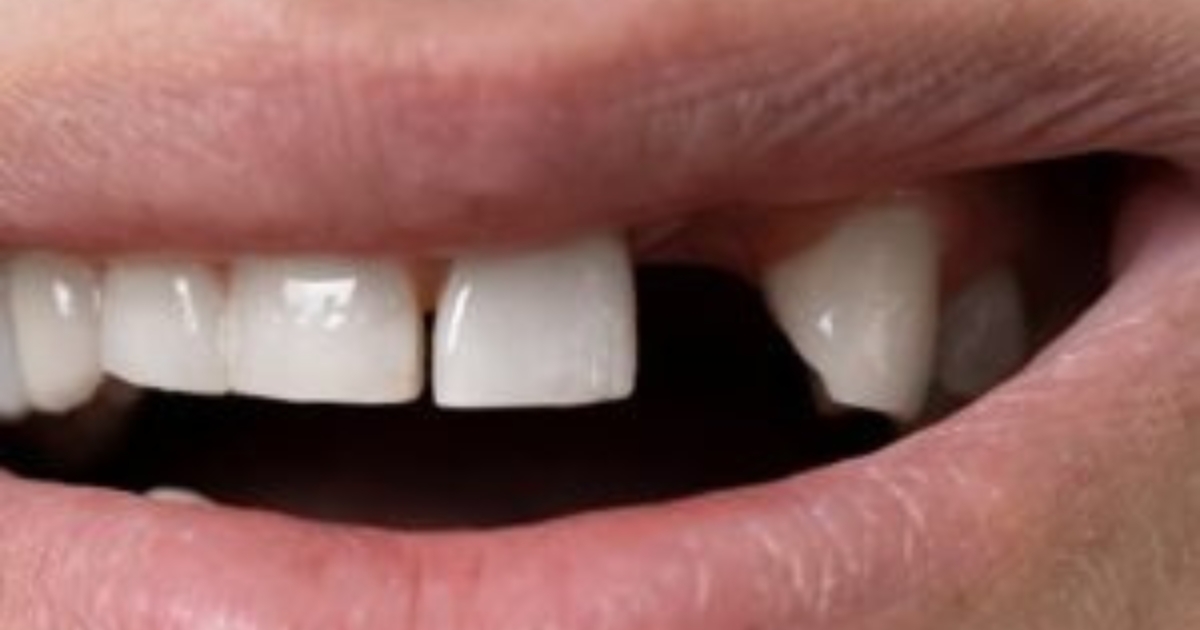
Missing teeth can affect more than just aesthetics—they can lead to bite misalignment, jaw pain, and difficulty eating certain foods. Whether you’re considering a dental bridge for front teeth or exploring alternatives to dental bridges, you’ll find the information you need to make an informed decision.
How Dental Bridges Work and the Different Types Available
A dental bridge consists of one or more artificial teeth, called pontics, held in place by dental crowns attached to the teeth adjacent to the gap—known as abutment teeth. The bridge literally “bridges” the space left by missing teeth, distributing chewing forces evenly and preventing neighboring teeth from shifting out of position. The result is a stable, functional restoration that blends seamlessly with your natural smile. If you’re wondering, “What is a dental bridge in practical terms?” think of it as a permanent solution that mimics the look and function of natural teeth.
There are four main types of dental bridges, each suited to different clinical situations. Traditional bridges are the most common and involve creating crowns for the teeth on either side of the gap, with the pontic suspended between them. Cantilever bridges anchor to only one adjacent tooth when there’s a healthy tooth on just one side of the gap.
Maryland bonded bridges use a metal or porcelain framework bonded to the back of adjacent teeth, requiring minimal alteration to those teeth. This conservative approach works well for front teeth with healthy neighboring teeth. Implant-supported bridges rely on dental implants surgically placed in the jawbone rather than natural teeth, making them ideal for patients missing multiple consecutive teeth or those who want to preserve the integrity of surrounding natural teeth.
| Bridge Type | Best Use Case | Key Advantage |
|---|---|---|
| Traditional | Molars and premolars with healthy adjacent teeth | Maximum strength and durability |
| Cantilever | Single missing tooth with one adjacent tooth available | Minimal tooth preparation on one side |
| Maryland Bonded | Front teeth with strong neighboring teeth | Preserves most of the natural tooth structure |
| Implant-Supported | Multiple missing teeth or weak adjacent teeth | Does not rely on natural teeth for support |
The Dental Bridge Procedure: What to Expect From Start to Finish
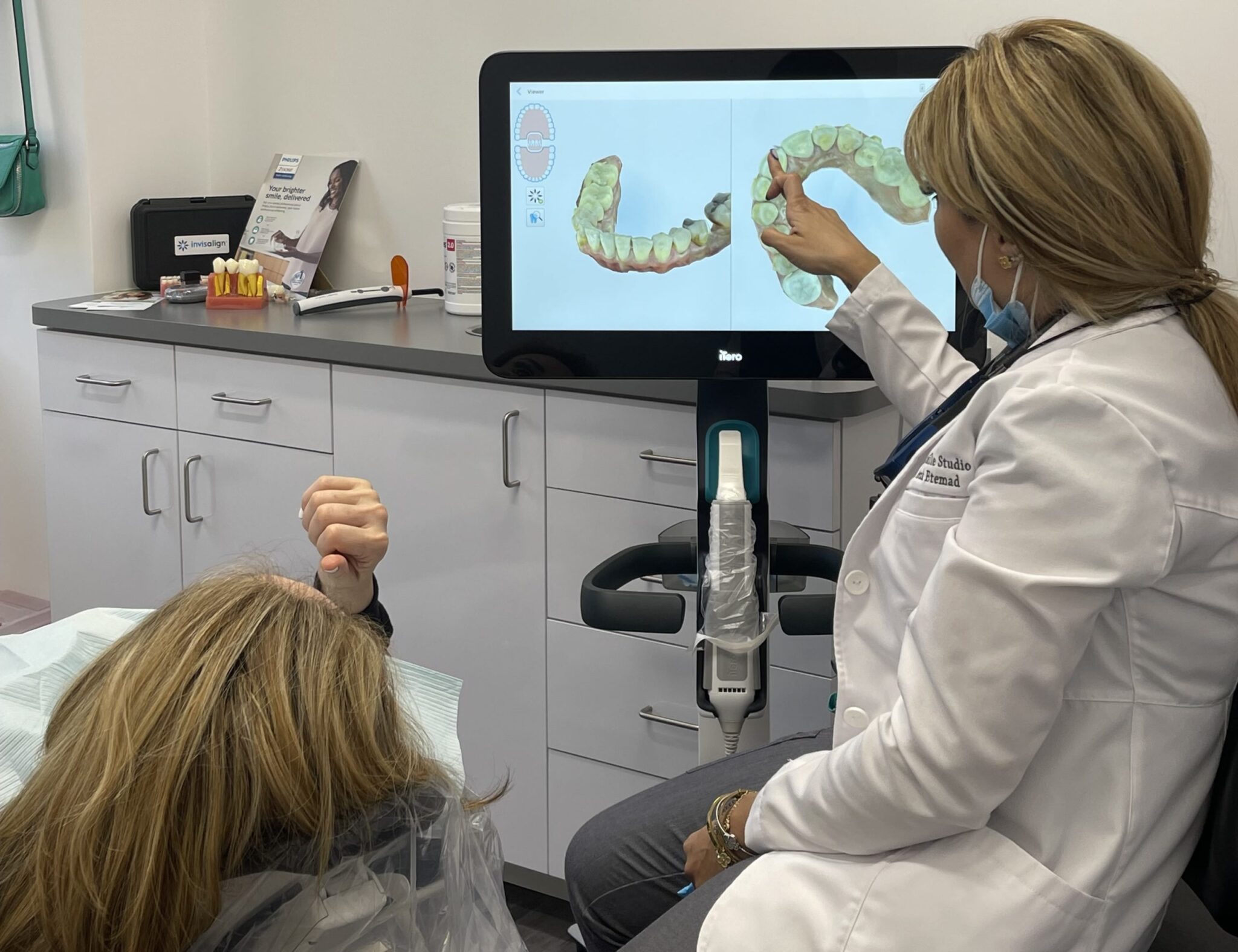
The process typically unfolds over two to three appointments spanning several weeks. During your initial consultation, your dentist will examine your oral health, take X-rays, and discuss the dental bridge option that best suits your needs.
At the first treatment appointment, your dentist numbs the area with local anesthesia and reshapes the abutment teeth by removing a thin layer of enamel to make room for the crowns. Impressions of your teeth are then taken and sent to a dental laboratory where skilled technicians fabricate your custom bridge. A temporary bridge is placed to protect the prepared teeth and maintain function while you wait.
- Your dentist evaluates bone density, gum health, and the strength of adjacent teeth to determine candidacy.
- Tooth preparation removes approximately 1–2 millimeters of enamel to create space for the crown caps.
- Fabrication period lasts approximately two to three weeks as the lab creates your permanent bridge from high-quality materials.
- Your dentist tests your bite with articulating paper and may make minor adjustments to ensure even pressure distribution.
- A follow-up visit may be scheduled a few weeks later to ensure comfort and proper function.
Once the permanent bridge is ready, you return for the final fitting. Your dentist removes the temporary bridge, cleans the prepared teeth, and carefully positions the new bridge to ensure proper fit, alignment, and bite.
Dental Bridge Costs, Longevity, and How They Compare to Implants
Beyond asking what is a dental bridge, one of the most common questions patients ask is, “How much does a dental bridge cost?” Traditional bridges typically range from $2,000 to $5,000 for a three-unit bridge (two crowns and one pontic). Maryland bonded bridges tend to cost slightly less, while implant-supported bridges are significantly more expensive due to the surgical placement of implants.
In the Newport Beach and Orange County area, costs may run higher than national averages due to the region’s cost of living and the expertise of local specialists. Many dental insurance plans cover a portion of bridge costs after your deductible, though coverage varies widely by plan.
How long do dental bridges last? Most patients can expect five to 15 years of service with proper care. Traditional and implant-supported bridges generally last longer than Maryland or cantilever designs.
Dental Bridge vs Implant: Which Restoration Fits Your Needs?
When comparing bridges to implants, several factors become essential. Understanding what a dental bridge is and how it differs from an implant helps you make the right choice for your situation. Bridges are faster to complete—usually within a month—and less invasive since they don’t require surgery. Implants, however, involve surgically placing a titanium post in the jawbone, which then fuses with the bone over several months before a crown is attached. This process preserves jawbone density and doesn’t require altering adjacent teeth, but it takes longer and costs more upfront.
From a long-term value perspective, implants often prove more cost-effective over decades because they can last 20 years or more and don’t rely on neighboring teeth for support. Bridges, while initially less expensive, may need replacement every 10 to 15 years and can place stress on abutment teeth.
| Factor | Dental Bridge | Dental Implant |
|---|---|---|
| Treatment Timeline | 2–3 weeks | 3–6 months |
| Upfront Cost | $2,000–$5,000 | $3,000–$6,000 per tooth |
| Invasiveness | Non-surgical | Requires oral surgery |
| Bone Preservation | Does not prevent bone loss | Stimulates and preserves jawbone |
| Expected Lifespan | 5–15 years | 20+ years |
Caring for Your Bridge and Exploring Alternatives
Proper maintenance is essential to extending the life of your restoration. Brush twice daily with fluoride toothpaste and floss carefully around the bridge using floss threaders or interdental brushes designed for this purpose. Regular dental cleanings every six months allow your hygienist to remove plaque buildup and your dentist to check for any signs of decay or damage.
After learning about bridges, some patients explore alternatives such as partial dentures and dental implants. Partial dentures are removable appliances that can replace multiple missing teeth at a lower cost, though they may feel less stable and require nightly removal. Implants offer the most natural feel and function but come with higher costs and longer treatment times.
Bridge the Gap to a Complete Smile at Newport Beach Smile Studio
At Newport Beach Smile Studio, we specialize in creating natural-looking dental bridges that restore both function and aesthetics. Whether you need a dental bridge for front teeth or a more complex restoration, our team takes the time to understand your unique goals and develop a personalized treatment plan. We believe in transparent pricing discussions and will walk you through your insurance benefits, financing options, and expected outcomes before any work begins. Schedule a free consultation today to explore how a custom bridge can transform your smile and your confidence. Contact us to take the first step toward a complete, healthy smile.
FAQs
Patients considering tooth replacement often have similar concerns about the process, costs, and long-term outcomes. Below are answers to the most frequently asked questions about dental bridges to help you make an informed decision.
1. How long do dental bridges last with proper care?
Most last between five and 15 years, though some can exceed this range with excellent oral hygiene and regular dental visits. The longevity depends on the type of bridge, the materials used, and how well you maintain it through daily brushing, flossing, and professional cleanings.
2. Is the dental bridge procedure painful?
The dental bridge procedure isn’t painful — none of the steps hurt, because your dentist fully numbs the area with local anesthesia. You may experience mild sensitivity or discomfort once the anesthesia wears off, but this typically resolves within a few days and can be managed with over-the-counter pain relievers.
3. Can I eat normally with a dental bridge?
Yes, a well-fitted bridge restores your ability to chew most foods comfortably and effectively. You should avoid extremely hard or sticky foods that could damage the bridge or loosen the cement, but the majority of patients return to their regular diet without restrictions.
4. How do I clean and maintain my dental bridge?
Caring for a dental bridge requires brushing your teeth twice daily with fluoride toothpaste and flossing carefully around the bridge using floss threaders or special interdental brushes. Schedule professional cleanings every six months so your dentist can monitor the health of the supporting teeth and ensure the bridge remains in good condition.
5. Are dental bridges or implants better for replacing missing teeth?
Neither option is universally superior—the right choice depends on your specific situation, budget, timeline, and oral health. Bridges are typically faster to complete and less expensive upfront, while implants preserve jawbone and may last longer, potentially offering better value over several decades.