
Root Canal vs. Extraction: Which Treatment Is Right for Your Damaged Tooth?
December 13, 2025
How to Fix Receding Gums: Treatment Options for Restoring Your Gum Health
December 17, 2025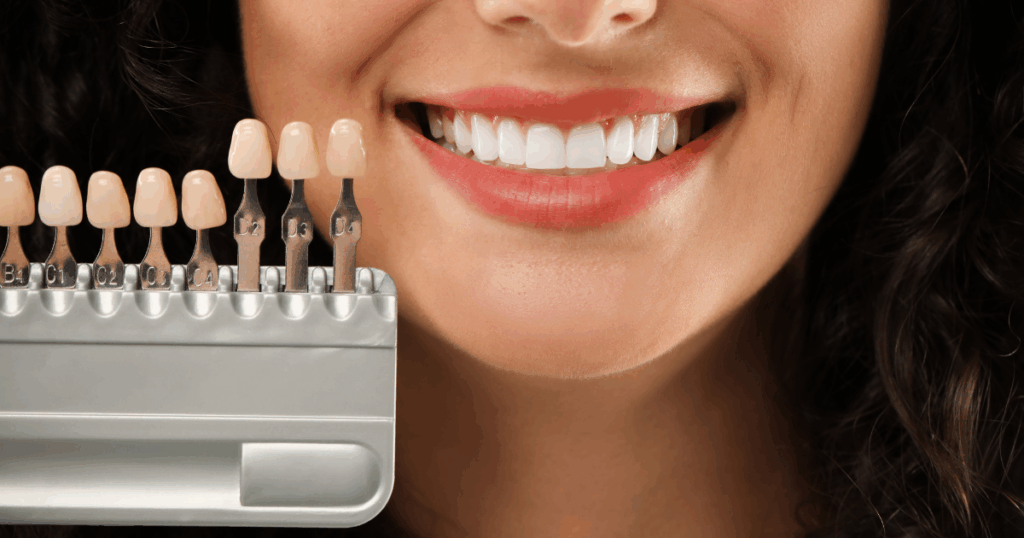
Reading Time: 6 mins
If you’re considering transforming your smile with dental veneers, one of the most important questions to ask is, “How long do veneers last? Understanding the expected lifespan of veneers helps you evaluate whether this cosmetic dentistry investment aligns with your goals and budget. The good news is that with proper care, modern veneers can beautifully enhance your smile for many years.
The longevity of your veneers depends on several factors, including the type of material used, your oral hygiene habits, lifestyle choices, and how well you protect them from damage. While no dental restoration lasts forever, veneers offer an excellent balance of durability and aesthetics that makes them one of the most popular smile makeover options available today.
Understanding Different Types of Veneers
Not all veneers are created equal, and the material used significantly impacts how long your veneers will last. Understanding the differences between veneer types helps you make an informed decision about which option best suits your needs and expectations.
Porcelain veneers are thin shells of ceramic material custom-crafted to cover the front surface of your teeth. They’re prized for their natural appearance, stain resistance, and durability. Porcelain closely mimics the light-reflecting properties of natural tooth enamel, creating remarkably lifelike results.
Composite veneers are made from tooth-colored resin material applied directly to your teeth and sculpted by your dentist. While more affordable and requiring less tooth preparation, composite veneers generally don’t last as long as their porcelain counterparts and are more prone to staining over time.
Average Lifespan by Veneer Type
The type of veneer you choose has the greatest impact on how long your smile transformation will last. Each material offers different benefits and expected longevity.
Porcelain Veneer Lifespan
Porcelain veneers typically last 10 to 15 years with proper care, and many patients enjoy their veneers for 20 years or longer. The durable ceramic material resists staining, chipping, and wear better than alternatives. High-quality porcelain veneers crafted by experienced cosmetic dentists often exceed expectations for longevity.
Composite Veneer Lifespan
Composite veneers generally last 5 to 7 years before requiring replacement or significant repair. The resin material is softer than porcelain and more susceptible to staining, chipping, and wear over time. However, composite veneers can often be repaired rather than fully replaced, which may extend their functional life.
| Veneer Type | Average Lifespan | Maximum Lifespan | Stain Resistance | Durability | Average Cost Per Tooth |
| Traditional Porcelain | 10-15 years | 20+ years | Excellent | High | $900 – $2,500 |
| Minimal-Prep Porcelain | 10-15 years | 20+ years | Excellent | High | $1,000 – $2,000 |
| Composite Resin | 5-7 years | 10 years | Moderate | Moderate | $250 – $600 |
| Lumineers | 10-15 years | 20 years | Excellent | High | $800 – $2,000 |
| Pressed Ceramic | 10-15 years | 20+ years | Excellent | Very High | $1,000 – $2,500 |
Factors That Affect Veneer Longevity
While material type establishes baseline expectations, several other factors significantly influence how long your veneers will actually last. Understanding these variables helps you maximize your investment.
- Oral hygiene habits: Consistent brushing, flossing, and regular dental checkups protect both your veneers and the underlying teeth. Poor oral hygiene can lead to decay at veneer margins, potentially requiring early replacement.
- Grinding and clenching: Bruxism places excessive force on veneers, leading to chips, cracks, or complete fractures. Patients who grind their teeth should wear a custom night guard to protect their investment.
- Dietary choices: While porcelain veneers resist staining, the bonding material at the edges can discolor. Limiting coffee, red wine, tea, and tobacco helps maintain a uniform appearance over time.
- Bite alignment: Properly aligned teeth distribute chewing forces evenly. Misaligned bites can place uneven stress on veneers, potentially shortening their lifespan.
- Quality of placement: Veneers placed by experienced cosmetic dentists using proper techniques and high-quality materials consistently last longer than budget alternatives.
- Trauma and accidents: While veneers are durable, they can crack or dislodge from facial trauma or biting hard objects. Wearing mouthguards during sports protects your smile.
Signs Your Veneers Need Replacement
Even well-maintained veneers eventually require replacement. Recognizing the signs that your veneers are reaching the end of their lifespan helps you plan for veneer replacement before problems become emergencies.
Watch for visible chips, cracks, or rough edges that weren’t present when your veneers were new. Darkening or discoloration around the veneer margins often indicates the bonding material is breaking down. If veneers feel loose or you notice increased sensitivity in veneered teeth, the seal between veneer and tooth may be compromised.
Changes in how your veneers fit against neighboring teeth or opposing teeth when you bite can indicate shifting or wear that warrants evaluation. Regular dental checkups allow your dentist to monitor veneer condition and recommend replacement before failure occurs.
| Maintenance Practice | Frequency | Purpose | Impact on Lifespan |
| Brushing with non-abrasive toothpaste | Twice daily | Prevents plaque buildup and decay | Essential |
| Flossing around veneers | Daily | Protects gum health and veneer margins | Essential |
| Professional dental cleanings | Every 6 months | Removes tartar; allows inspection | High impact |
| Night guard wear (if grinding) | Nightly | Prevents fractures from bruxism | High impact |
| Avoiding hard foods | Ongoing | Prevents chips and cracks | Moderate impact |
| Limiting staining substances | Ongoing | Maintains aesthetic appearance | Moderate impact |
| Sports mouthguard | During activities | Prevents trauma damage | Situational |
How to Maximize Your Veneer Lifespan
Taking proactive steps to protect your veneers helps ensure you get the maximum return on your cosmetic dentistry investment. Most protective measures are simple habits that benefit your overall oral health as well.
Treat your veneers like natural teeth by maintaining excellent oral hygiene. Brush twice daily with a soft-bristled toothbrush and non-abrasive toothpaste, as harsh abrasives can scratch veneer surfaces over time. Floss daily to keep gums healthy and prevent decay at veneer margins where your natural tooth remains exposed.
Avoid using your teeth as tools to open packages, biting fingernails, or chewing ice and hard candies. These habits place excessive stress on veneers and significantly increase fracture risk. If you grind your teeth at night, invest in a custom night guard to protect your veneers from the enormous forces bruxism generates.

The Veneer Replacement Process
When your veneers eventually need replacement, the process is typically straightforward. Your dentist removes the old veneers, evaluates the underlying teeth for any issues requiring treatment, and takes new impressions for your replacement veneers.
Because some tooth enamel was removed during your original veneer placement, you’ll always need veneers or another restoration on those teeth. The good news is that replacement veneers can address any aesthetic concerns you had with your original set, giving you an opportunity to fine-tune your smile.
Veneer replacement costs are similar to initial placement costs. Some patients choose to replace all their veneers at once for a uniform appearance, while others replace only those showing wear or damage.
Are Veneers Worth the Investment?
When evaluating whether veneers are worth their cost, consider the value they provide over their lifespan. A set of porcelain veneers lasting 15 years costs roughly the same per year as many other routine expenses, while dramatically improving your confidence and quality of life.
Veneers address multiple cosmetic concerns simultaneously, including discoloration, chips, gaps, minor misalignment, and worn edges. Achieving similar results through other treatments would often cost more and require longer treatment times. For patients seeking comprehensive smile transformation, veneers offer exceptional value.
Your Lasting Smile Starts Here: Discover Veneers at Newport Smile
Understanding how long veneers last helps you approach this smile transformation with realistic expectations and confidence in your investment. Whether you’re ready to begin your veneer journey or want to evaluate whether your current veneers need replacement, the skilled cosmetic dentistry team at Newport Smile provides the expertise and artistry needed for beautiful, long-lasting results.
Don’t settle for a smile that doesn’t make you proud. Contact Newport Smile today to schedule your veneer consultation and discover how this transformative treatment can enhance your appearance and confidence for years to come. Our experienced cosmetic dentists will evaluate your goals, recommend the ideal veneer type for your needs, and create a customized treatment plan designed for maximum beauty and longevity. Your dream smile is closer than you think.
FAQs
-
How long do porcelain veneers last compared to composite veneers?
Porcelain veneers typically last 10 to 15 years and often exceed 20 years with excellent care, while composite veneers generally last 5 to 7 years before requiring replacement. Porcelain’s superior durability and stain resistance justify its higher cost for most patients seeking long-term results. Your cosmetic dentist can help determine which option best fits your goals and budget.
-
Can veneers last a lifetime?
While veneers are not considered permanent restorations, some patients do enjoy their porcelain veneers for 25 to 30 years with exceptional care. However, most patients should expect to replace their veneers at least once during their lifetime. Factors like oral hygiene, grinding habits, and material quality significantly influence whether your veneers approach their maximum potential lifespan.
-
What causes veneers to fail early?
The most common causes of premature veneer failure include teeth grinding without night guard protection, trauma from accidents or biting hard objects, poor oral hygiene leading to decay at veneer margins, and low-quality materials or improper placement technique. Addressing these risk factors helps ensure your veneers reach their expected lifespan.
-
Do veneers require special maintenance to last longer?
Veneers don’t require complicated maintenance, but consistent care makes a significant difference in longevity. Brush twice daily with non-abrasive toothpaste, floss daily, attend regular dental checkups, and wear a night guard if you grind your teeth. Avoiding habits like nail biting, ice chewing, and using teeth as tools also protects your investment.
-
How much does it cost to replace veneers?
Veneer replacement costs are similar to initial placement, typically ranging from $900 to $2,500 per tooth for porcelain veneers. Some dental insurance plans offer partial coverage for replacement if the original veneers were medically necessary, though most consider veneers cosmetic. Many dental offices offer financing options to make replacement more affordable.