How to Sleep After Wisdom Teeth Removal: Essential Tips for a Comfortable Recovery
December 19, 2025
When Are Wisdom Teeth Fully Healed? A Complete Timeline for Your Recovery
December 23, 2025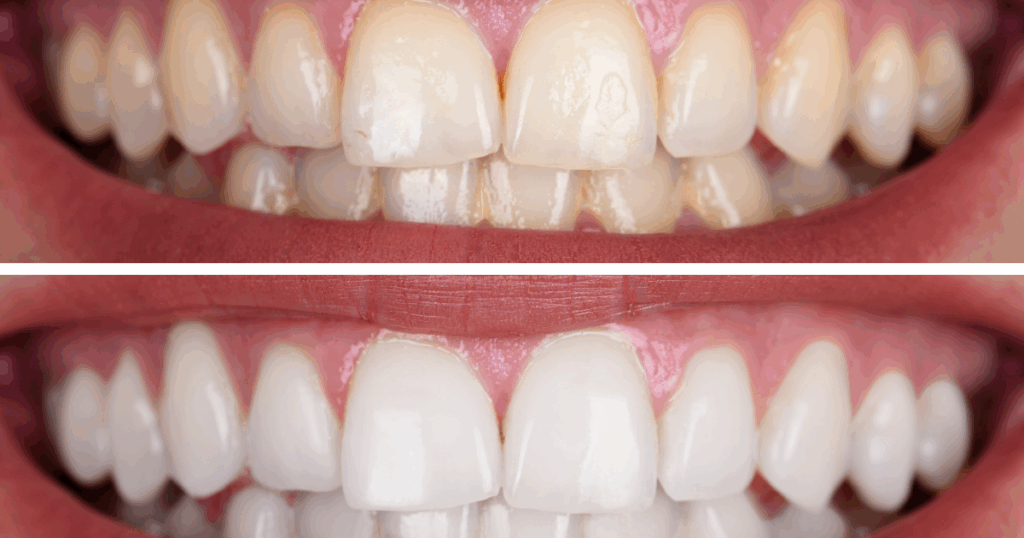
A radiant, white smile can boost your confidence and leave a lasting impression. If you’ve been wondering how to whiten your teeth effectively and safely, you’re not alone. Teeth whitening remains one of the most popular cosmetic dental procedures, with millions of people seeking brighter smiles each year. Understanding your options helps you choose the approach that delivers the best results for your unique needs.
Tooth discoloration happens naturally over time due to aging, dietary habits, lifestyle choices, and certain medications. The good news is that modern dentistry offers numerous teeth whitening options ranging from professional in-office treatments to convenient at-home solutions. Knowing the differences between these methods empowers you to make an informed decision about achieving the smile you’ve always wanted.
Understanding What Causes Tooth Discoloration
Before exploring whitening solutions, it’s helpful to understand why teeth become stained or discolored in the first place. Tooth discoloration falls into two main categories: extrinsic stains that affect the outer enamel and intrinsic stains that occur within the tooth structure itself.
Extrinsic stains typically result from consuming dark-colored beverages like coffee, tea, red wine, and cola, as well as foods such as berries, tomato sauce, and curry. Tobacco use is another major contributor to surface staining. These external stains respond well to most whitening treatments and are generally easier to address.
Intrinsic discoloration occurs deeper within the tooth and may result from excessive fluoride exposure during childhood, tetracycline antibiotics, dental trauma or natural aging. These internal stains require more intensive whitening approaches and may need professional dental whitening treatment for optimal results.

Professional Teeth Whitening: In-Office Treatment Options
Professional teeth whitening performed by a dentist delivers the fastest and most dramatic results. In-office treatments use higher concentrations of whitening agents under controlled conditions, ensuring both safety and effectiveness.
In-Office Bleaching Procedures
Professional in-office teeth bleaching typically uses hydrogen peroxide or carbamide peroxide in concentrations ranging from 25% to 40%. Your dentist applies a protective barrier to your gums before applying the whitening gel directly to your teeth. Many practices use special LED or laser lights to accelerate the whitening process, allowing you to achieve results several shades lighter in a single appointment lasting 60 to 90 minutes.
Custom Take-Home Trays
For patients who prefer whitening at home but want professional-grade results, dentists can create custom-fitted whitening trays. These trays are made from impressions of your teeth, ensuring the whitening gel contacts every surface evenly. You’ll receive professional-strength whitening gel to use at home over one to two weeks, achieving results comparable to in-office treatment with greater flexibility in your schedule.
| Factor | Professional In-Office | Custom Take-Home Trays | Over-the-Counter Products |
| Whitening Strength | 25% – 40% peroxide | 10% – 22% peroxide | 3% – 10% peroxide |
| Treatment Time | 1 – 2 hours (single visit) | 1 – 2 weeks (daily use) | 2 – 4 weeks (daily use) |
| Results | Up to 8 shades lighter | Up to 6 shades lighter | Up to 3 shades lighter |
| Longevity | 1-3 years | 6 months – 2 years | 3 – 6 months |
At-Home Whitening Options: Convenience and Affordability
If professional treatment doesn’t fit your budget or schedule, numerous at-home whitening products can help brighten your smile. While results may be more gradual, consistent use of quality products can deliver noticeable improvement over time.
- Whitening strips: These thin, flexible strips coated with peroxide gel adhere directly to your teeth. Apply them once or twice daily for 30 minutes over two to three weeks. Popular brands offer varying strengths, with some delivering results comparable to professional treatments.
- Whitening toothpaste: Formulated with mild abrasives and low concentrations of peroxide or other whitening agents, whitening toothpaste removes surface stains with regular brushing. Results are subtle and gradual, making this option best for maintaining whiteness rather than dramatic transformation.
- Whitening pens: These portable applicators let you paint whitening gel directly onto individual teeth. They’re convenient for touch-ups and targeting specific stains but typically produce modest results compared to other methods.
- LED whitening kits: At-home kits combining whitening gel with LED light devices have gained popularity. While the light may help accelerate the whitening process, results depend primarily on the gel’s peroxide concentration and contact time.
- Natural whitening remedies: Some people try baking soda, activated charcoal, or oil pulling to whiten teeth naturally. While baking soda can remove some surface stains, these methods generally produce minimal results and may damage enamel if used too aggressively.
Choosing the Right Whitening Method for Your Needs
Selecting the best teeth whitening approach depends on several factors, including the type and severity of your staining, your budget, desired timeline, and tooth sensitivity concerns. Evaluating these considerations helps you achieve optimal results while protecting your oral health.
| Your Situation | Recommended Method | Why It Works Best |
| Severe or intrinsic staining | Professional in-office treatment | Highest concentration; dentist can customize approach |
| Moderate staining, flexible timeline | Custom take-home trays | Professional strength with convenience of home use |
| Mild surface stains | Whitening strips or LED kits | Effective for extrinsic stains; budget-friendly |
| Sensitive teeth | Low-concentration products or professional supervision | Dentist can recommend desensitizing protocols |
| Maintenance after whitening | Whitening toothpaste | Preserves results; prevents new stain buildup |
| Quick touch-ups | Whitening pens | Portable; targets specific areas as needed |
What to Expect During and After Whitening
Understanding the whitening process helps you prepare for treatment and maintain your results long-term. Most whitening methods work by penetrating tooth enamel and breaking down stain compounds through oxidation. This process is safe when performed correctly but may cause temporary side effects.
Tooth sensitivity is the most common side effect of teeth bleaching, particularly with higher-concentration products. This sensitivity typically subsides within a few days after completing treatment. Using toothpaste formulated for sensitive teeth before and after whitening can minimize discomfort. Some patients also experience mild gum irritation if whitening gel contacts soft tissue.
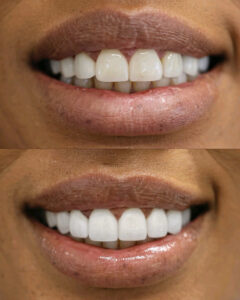
Results vary based on your starting shade, the type of staining present, and the whitening method used. Professional treatments typically produce the most dramatic improvement, while over-the-counter products offer more gradual enhancement. Maintaining your results requires avoiding staining foods and beverages, practicing good oral hygiene, and considering periodic touch-up treatments.
Protecting Your Results: Long-Term Whitening Maintenance
Achieving a whiter smile is just the beginning. Protecting your investment requires ongoing attention to habits that can stain your teeth. Simple lifestyle adjustments help extend the longevity of your whitening results significantly.
Limit consumption of staining beverages like coffee, tea, and red wine, or use a straw to minimize contact with your teeth. Rinse your mouth with water after consuming dark-colored foods or drinks. Quit smoking or using tobacco products, which cause stubborn yellow and brown staining. Brush twice daily with whitening toothpaste to prevent new surface stains from accumulating.
Schedule regular dental cleanings every six months to remove surface stains and tartar buildup that can dull your smile. Many patients benefit from periodic touch-up treatments, whether professional or at-home, to maintain their desired shade. Your dentist can recommend an appropriate maintenance schedule based on your lifestyle and whitening goals.
Brighten Your Day: Discover Your Whitening Options With Newport Smile
A stunning white smile is within reach, and finding the right whitening solution starts with understanding your unique needs. Whether you’re interested in professional in-office teeth bleaching, custom take-home trays or guidance on the best at-home whitening products, the expert team at Newport Smile is here to help you achieve the radiant results you deserve.
Don’t settle for a dull, stained smile when safe and effective whitening options are readily available. Contact Newport Smile today to schedule your cosmetic consultation. Our experienced dental professionals will evaluate your tooth discoloration, discuss your goals, and recommend a personalized whitening plan that fits your lifestyle and budget. Your brightest smile is just one appointment away.
FAQs
-
How long does it take to whiten your teeth?
The timeline for teeth whitening varies based on the method you choose and the severity of your staining. Professional in-office treatments can lighten teeth up to eight shades in a single 60 to 90-minute appointment. At-home options like whitening strips or custom trays typically require one to four weeks of daily use to achieve noticeable results. Whitening toothpaste produces the most gradual improvement, often taking several weeks to months of consistent use.
-
Is teeth whitening safe for your enamel?
When used as directed, teeth whitening products approved by dental associations are considered safe for tooth enamel. The whitening agents penetrate enamel to break down stains but do not damage the tooth structure itself. However, overusing whitening products or using them incorrectly can lead to enamel erosion and increased sensitivity. Following product instructions and consulting with your dentist ensures safe, effective whitening.
-
How long do teeth whitening results last?
Whitening results typically last anywhere from six months to three years, depending on the treatment method and your lifestyle habits. Professional in-office treatments tend to produce the longest-lasting results, while over-the-counter products may require more frequent touch-ups. Consuming staining foods and beverages, smoking, and poor oral hygiene can shorten the longevity of your results significantly.
-
Can teeth whitening work on all types of stains?
Teeth whitening works best on yellow or light brown extrinsic stains caused by food, beverages, and tobacco. Intrinsic stains from medications, trauma, or excessive fluoride exposure are more challenging to treat and may require professional intervention or alternative cosmetic solutions like veneers. Gray discoloration typically responds less favorably to whitening than yellow tones. A dental evaluation can determine whether whitening will effectively address your specific type of staining.
-
Why are my teeth sensitive after whitening?
Tooth sensitivity after whitening occurs because the peroxide in whitening products temporarily opens microscopic pores in your enamel, exposing the underlying dentin layer and nerve endings. This sensitivity is usually mild and resolves within a few days after completing treatment. Using desensitizing toothpaste before and after whitening, choosing lower-concentration products or spacing out treatments can help minimize discomfort.