How Long After Dental Implants Can I Eat Normally?
May 31, 2025
Dental Bridge vs Implant: Choosing the Right Tooth Replacement for Your Smile
December 3, 2025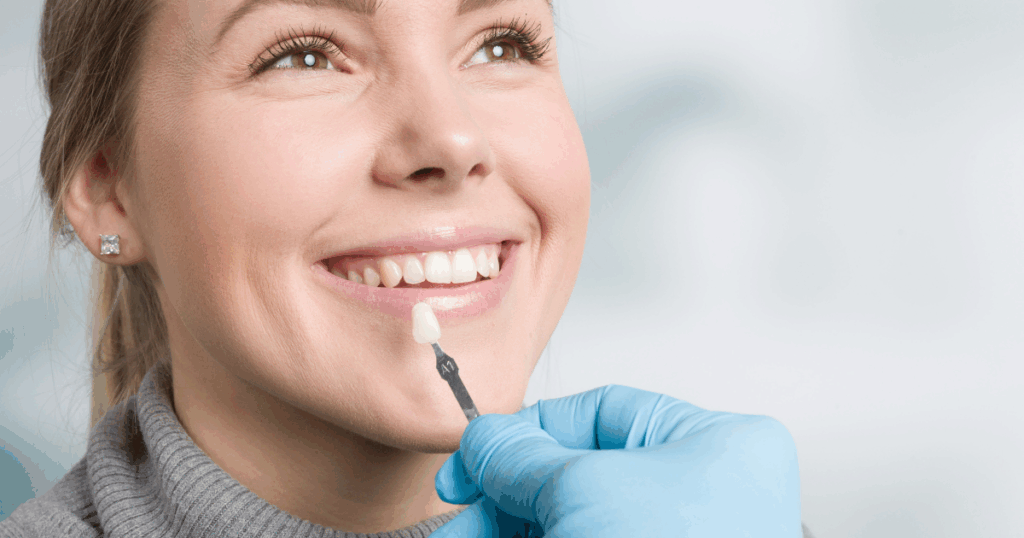
When it comes to enhancing your smile, the choice between teeth bonding vs. veneers represents one of the most common decisions in cosmetic dentistry. Both treatments effectively address imperfections like chips, gaps, discoloration, and misshapen teeth, but they differ significantly in durability, cost, procedure time, and results. Understanding these differences helps you select the smile makeover solution that best fits your goals and budget.
A beautiful smile can transform your confidence and how others perceive you. Whether you’re bothered by a single chipped tooth or want to completely revamp your smile’s appearance, modern cosmetic treatments offer solutions for every concern. Comparing dental bonding and porcelain veneers across key factors empowers you to make an informed decision that delivers the results you’re looking for.
Understanding Dental Bonding
Dental bonding is a cosmetic procedure in which tooth-colored composite resin is applied directly to your teeth, sculpted into the desired shape and hardened with a special curing light. This versatile treatment can repair chips, close small gaps, cover discoloration, reshape irregular teeth, and even make teeth appear longer or more uniform.
The bonding procedure is typically completed in a single appointment lasting 30 to 60 minutes per tooth. In most cases, no anesthesia is required unless bonding is being used to fill a cavity. Your dentist selects a composite shade that matches your natural teeth, applies the material, molds it to the perfect shape and polishes it to a natural-looking finish.
One of dental bonding’s greatest advantages is that it requires minimal removal of natural tooth enamel, making it one of the most conservative cosmetic treatments available. The procedure is also reversible, meaning you can explore other options in the future if your needs or preferences change.
Understanding Porcelain Veneers
Porcelain veneers are thin shells of ceramic material custom-crafted in a dental laboratory to cover the front surfaces of your teeth. These dental restorations are permanently bonded to your teeth, creating a complete transformation of your smile’s color, shape, size, and overall appearance.
Getting veneers typically requires two to three appointments over several weeks. During the first visit, your dentist prepares your teeth by removing a thin layer of enamel, takes impressions, and places temporary veneers. Once your custom veneers are fabricated, you return to have them permanently bonded to your teeth.
Porcelain veneers are prized for their durability, stain resistance, and remarkably natural appearance. The ceramic material mimics the light-reflecting properties of natural tooth enamel, creating results that are virtually indistinguishable from natural teeth. With proper care, veneers can beautify your smile for 10 to 15 years or longer.
Key Differences Between Bonding and Veneers
Choosing between teeth bonding and veneers requires understanding how these cosmetic treatments differ in their approach, results, and longevity. Each option excels in different situations, and your specific concerns determine which solution serves you best.
Durability and Lifespan
One of the most significant differences between bonding and veneers involves how long results last. Porcelain veneers are significantly more durable than composite bonding, typically lasting 10 to 15 years with many lasting 20 years or longer. The ceramic material resists staining, chipping and wear exceptionally well.
Dental bonding, while effective, has a shorter lifespan of approximately 3 to 10 years depending on location, bite forces, and habits. Composite resin is softer than porcelain and more susceptible to staining and chipping over time. However, bonding can be easily repaired or touched up, extending its functional life.
| Factor | Dental Bonding | Porcelain Veneers |
| Material | Composite resin | Ceramic/Porcelain |
| Average Lifespan | 3-10 years | 10-20+ years |
| Appointments Required | 1 visit (30-60 min/tooth) | 2-3 visits over 2-4 weeks |
| Enamel Removal | Minimal to none | Thin layer removed |
| Reversible | Yes | No |
| Stain Resistance | Moderate; can discolor | Excellent; highly stain-resistant |
| Durability | Moderate; may chip | High; very durable |
| Natural Appearance | Good | Excellent |
| Cost Per Tooth | $300 – $600 | $900 – $2,500 |
| Best For | Minor repairs: single teeth | Complete smile makeovers |
Factors to Consider When Choosing
Several important factors should guide your decision between dental bonding and porcelain veneers. Evaluating these considerations helps you select the cosmetic treatment that delivers the best results for your unique situation.
- Extent of correction needed: Bonding works best for minor imperfections like small chips, slight gaps, or minor discoloration on one or a few teeth. Veneers are ideal for comprehensive smile makeovers addressing multiple concerns across several teeth.
- Budget considerations: Dental bonding costs significantly less than veneers, making it accessible for patients with limited budgets. However, bonding’s shorter lifespan means more frequent replacements, potentially making veneers more cost-effective long-term.
- Timeline expectations: If you want immediate results, bonding can transform your smile in a single appointment. Veneers require multiple visits and several weeks for laboratory fabrication, though the wait delivers more dramatic and lasting results.
- Tooth condition: Teeth with significant damage, severe discoloration, or major shape issues typically achieve better results with veneers. Bonding may not provide sufficient coverage or durability for extensive corrections.
- Commitment level: Because veneers require enamel removal, they represent a permanent commitment to maintaining restorations. Bonding preserves tooth structure and leaves future options open if your preferences change.
- Lifestyle factors: Patients who consume significant amounts of coffee, tea, red wine, or tobacco may prefer stain-resistant veneers. Those who grind their teeth should address bruxism before either treatment to protect their investment.
When to Choose Dental Bonding
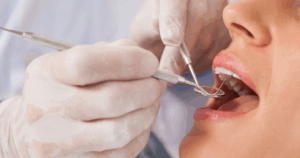
Dental bonding is often the ideal choice for patients seeking affordable, conservative improvements for minor cosmetic concerns. Its advantages make it the right solution in many situations.
Choose bonding when you need to repair a single chipped or cracked tooth, close small gaps between teeth, cover minor tooth discoloration or staining, improve the shape of one or a few teeth, want same-day results without multiple appointments, or prefer a reversible treatment that preserves tooth structure.
Bonding is particularly popular for younger patients whose smiles are still developing, as it allows for adjustments as teeth shift over time. It’s also an excellent option for patients who want to “test drive” cosmetic changes before committing to more permanent solutions.
When to Choose Porcelain Veneers
Porcelain veneers excel when patients want dramatic, long-lasting smile transformations. Their superior durability and aesthetics make them ideal for comprehensive cosmetic improvements.
Choose veneers when you want to transform multiple teeth simultaneously, address moderate to severe discoloration that doesn’t respond to whitening, correct significant chips, cracks, or worn edges, change the size, shape, or length of teeth substantially, desire the most natural-looking and stain-resistant results, or want a long-term solution with minimal maintenance.
Veneers are the gold standard for Hollywood smiles and complete smile makeovers. Patients who invest in veneers typically report high satisfaction with results that maintain their beauty for many years.
Combining Bonding and Veneers
Some patients benefit from using both treatments strategically. Your cosmetic dentist may recommend veneers for your most visible front teeth while using bonding for less prominent teeth or minor touch-ups. This approach optimizes results while managing costs.
Bonding can also complement existing veneers by addressing issues with adjacent teeth or making minor repairs. Your dentist can color-match bonding material to blend seamlessly with porcelain veneers for a cohesive, natural appearance.
Bond With Your Best Smile: Explore Your Options at Newport Smile
Whether dental bonding or porcelain veneers is right for you depends on your unique goals, budget, and the specific improvements you’re seeking. The skilled cosmetic dentistry team at Newport Smile specializes in helping patients discover which treatment will deliver the beautiful, confident smile they’ve always wanted.
Don’t let cosmetic imperfections hold you back from smiling freely. Contact Newport Smile today to schedule your personalized cosmetic consultation. Our experienced dental professionals will evaluate your teeth, discuss your aesthetic goals, and recommend the treatment approach that achieves stunning results within your budget. Your most radiant smile is just one appointment away.
FAQs
- Is dental bonding or veneers better for fixing chipped teeth?
Both treatments effectively repair chipped teeth, but the best choice depends on the chip’s size and location. Minor chips typically respond well to dental bonding, providing quick, affordable repair in a single visit. Larger chips or damage to prominent front teeth often achieve better, longer-lasting results with porcelain veneers that provide superior durability and aesthetics.
- How long does dental bonding last compared to veneers?
Dental bonding typically lasts 3 to 10 years before requiring repair or replacement, while porcelain veneers last 10 to 20 years or longer with proper care. Bonding is more susceptible to staining and chipping over time due to the softer composite material. However, bonding is easily repaired, whereas damaged veneers usually require complete replacement.
- Can teeth bonding stain like natural teeth?
Yes, composite bonding material can absorb stains from coffee, tea, red wine, tobacco, and certain foods over time. Unlike natural teeth, bonded areas cannot be whitened, so stained bonding may need replacement to restore appearance. Porcelain veneers are highly stain-resistant and maintain their color much better than bonding throughout their lifespan.
- Do veneers or bonding damage your natural teeth?
Dental bonding requires minimal to no enamel removal, making it the more conservative option that preserves natural tooth structure. Porcelain veneers require removing a thin layer of enamel to accommodate the veneer thickness, which is irreversible. However, modern minimal-prep veneers reduce the amount of enamel removal needed compared to traditional veneers.
- Can I get bonding first and veneers later if I want an upgrade?
Yes, many patients start with dental bonding and later upgrade to porcelain veneers when their budget allows or when they desire more dramatic, permanent results. Because bonding preserves tooth structure, transitioning to veneers remains a straightforward option. Your cosmetic dentist can remove the bonding material and prepare your teeth for veneers whenever you’re ready.