
Finding the Right Dental Office in Newport Beach by Neighborhood
May 7, 2026
Root Canal Cost in Orange County: What You’ll Actually Pay in 2026
May 11, 2026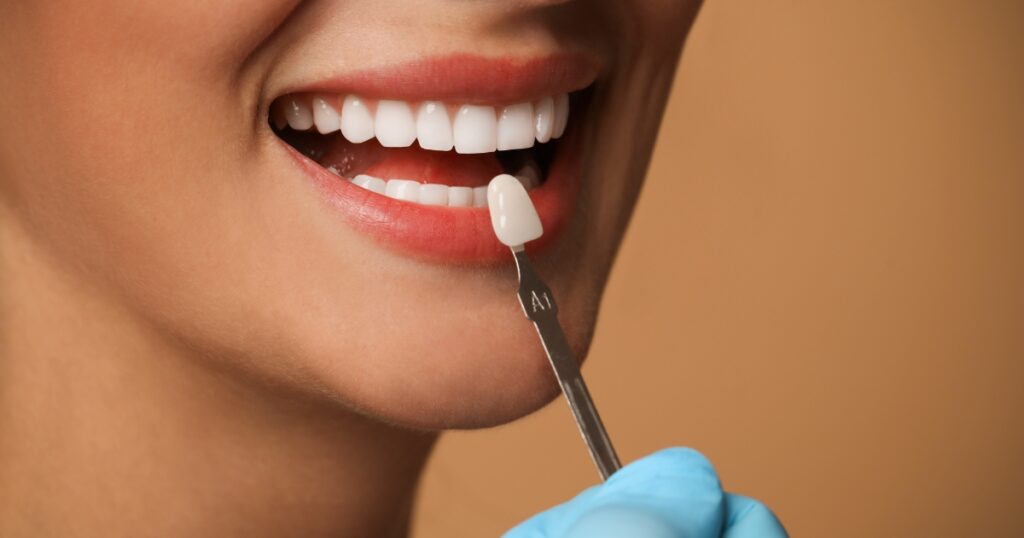
If you’ve ever wondered how celebrities achieve those flawless, camera-ready smiles, the answer often lies in a popular cosmetic dental treatment known as veneers. These thin, custom-made shells have transformed countless smiles by concealing chips, gaps, stains, and minor misalignments in just a few dental visits. What are veneers exactly, and why have they become one of the most requested procedures in cosmetic dentistry? While the results can be stunning, veneers represent a significant investment and a permanent change to your natural teeth, making it essential to know exactly what you’re committing to before scheduling that first appointment. Understanding what veneers are involves learning about the materials, the procedure, and the long-term commitment required for maintaining your new smile.
Before you decide whether veneers are right for you, it’s important to understand not just the benefits but also the realities of the procedure, the materials involved, and the long-term commitment required. This guide will walk you through everything from how veneers work and what materials they’re made from, to the step-by-step procedure and who makes an ideal candidate. We’ll also address common concerns about permanence, cost, and potential alternatives so you can make an informed decision about your smile transformation. Whether you’re considering what veneers are to fix a cosmetic flaw or simply exploring your options, knowing how they might fit into your dental health plan is the first step toward achieving the confident smile you’ve always wanted. What veneers are capable of achieving for your unique situation depends on several factors we’ll explore throughout this comprehensive overview.

What Are Veneers: How Dental Veneers Work and What They’re Made Of
What are veneers in the most basic sense? They are ultra-thin shells, typically measuring between 0.5 and 1 millimeters thick, that are permanently bonded to the front surface of your teeth to improve their appearance. The bonding process involves preparing your natural tooth by removing a small amount of enamel, which allows the veneer to sit flush with your gum line and blend seamlessly with surrounding teeth. This preparation step is what makes veneers a permanent solution—once that enamel is removed, your tooth will always need some form of coverage to protect it. The veneer itself is crafted in a dental laboratory based on impressions or digital scans of your teeth, ensuring a precise fit and natural appearance. Understanding what veneers are and how they function helps you appreciate why proper tooth preparation is essential for long-term success and natural aesthetics. When patients ask what veneers are designed to accomplish, the answer lies in their ability to mask imperfections while preserving as much natural tooth structure as possible.
When exploring what veneers are made from, you’ll encounter two primary options: porcelain veneers and composite resin veneers. Porcelain veneers vs composite materials present distinct advantages and trade-offs that affect both appearance and longevity. Porcelain veneers are crafted from high-quality dental ceramic that closely replicates the light-reflecting properties of natural tooth enamel, making them virtually indistinguishable from your real teeth and highly resistant to staining. Composite veneers are made from tooth-colored resin material that can be sculpted directly onto your teeth in a single visit, making them more affordable at $400 to $1,200 per tooth, though they’re more prone to staining and chipping with a shorter lifespan of 5-7 years. Understanding what veneers are capable of in terms of durability helps you choose between porcelain options that typically last 10-15 years with proper care at a dental veneers cost ranging from $1,200 to $2,500 per tooth, versus composite alternatives that require more frequent replacement.
- Porcelain veneers offer superior stain resistance and a more natural translucent appearance that mimics real enamel, making them ideal for patients seeking the most lifelike results.
- Composite veneers can be completed in one appointment and require less tooth preparation, but they’re more susceptible to discoloration from coffee, tea, and red wine over time.
- Lifespan expectations differ significantly—porcelain typically lasts 10-15 years while composite lasts 5-7 years, meaning porcelain may actually be more cost-effective long-term despite higher upfront costs.
- Maintenance requirements for both types include regular brushing and flossing, avoiding extremely hard foods that could crack the veneer, and wearing a nightguard if you grind your teeth during sleep.
- Cost considerations should factor in not just the initial price but also replacement frequency—composite veneers may need refinishing every few years, while porcelain veneers typically only require replacement after a decade or more.
The Veneer Procedure: From Consultation to Final Placement
Understanding the veneer procedure steps helps demystify what veneers are and what’s involved in getting them. The process typically begins with a comprehensive consultation where your dentist evaluates your oral health, discusses your aesthetic goals, and determines whether you’re a suitable candidate. If you’re approved for the procedure, the next step involves creating a treatment plan that may include previewing your potential results before any irreversible changes are made. Your dentist will also discuss material options, help you select the appropriate shade to match or enhance your natural teeth, and provide a detailed cost estimate. Understanding what veneers are capable of achieving during this consultation phase ensures your expectations align with realistic outcomes.
The actual veneer procedure steps typically require two to three appointments spread over several weeks. At the first preparation appointment, your dentist will administer local anesthesia to ensure your comfort, then carefully remove approximately 0.5 millimeters of enamel from the front surface of each tooth receiving a veneer. This tooth preparation is essential for proper bonding and to prevent veneers from looking bulky or protruding unnaturally. After reshaping your teeth, your dentist will take detailed impressions or digital scans that will be sent to a dental laboratory where skilled technicians will craft your custom veneers over the next two to three weeks. Temporary veneers made from acrylic or composite material will be placed to protect your prepared teeth during this waiting period. At your final bonding appointment, your dentist will remove the temporaries, clean your teeth thoroughly, and use a special adhesive cement to permanently attach each veneer. The entire process demonstrates what veneers are truly capable of when precision and artistry combine to create your ideal smile.
| Appointment Stage | What Happens | Timeline |
|---|---|---|
| Initial Consultation | Oral health evaluation, candidacy assessment, treatment planning, and shade selection | Week 1 |
| Tooth Preparation | Enamel removal, tooth reshaping, impressions taken, temporary veneers placed | Week 2 |
| Laboratory Fabrication | Custom veneers crafted by dental technicians based on your impressions | Weeks 3-4 |
| Final Bonding | Temporary removal, permanent veneer placement, bite adjustment, and polishing | Week 5 |
| Follow-Up Visit | Check veneer fit, address any sensitivity issues, and ensure proper bite alignment | Week 6-7 |
What Are Veneers Best For: Ideal Candidates and Disqualifying Factors
Determining whether you’re among the best candidates for veneers requires an honest assessment of both your cosmetic goals and your overall oral health. Ideal candidates are individuals with good oral hygiene habits who have specific aesthetic concerns that veneers can effectively address, such as permanently stained or discolored teeth that don’t respond to whitening treatments, minor chips or cracks in the front teeth, small gaps between teeth, or slightly misaligned or irregularly shaped teeth. What are veneers particularly good at fixing? They excel at creating a uniform, symmetrical smile when your teeth are otherwise healthy but have cosmetic imperfections that affect your confidence. Candidates should have sufficient tooth enamel to support the bonding process, healthy gums free from disease, and realistic expectations about what veneers are capable of accomplishing for their unique situation. The best candidates for veneers understand that this is a permanent commitment requiring ongoing care and maintenance.

However, several conditions can disqualify someone from being a good candidate, and understanding these limitations is crucial before pursuing treatment. Individuals with severe bruxism (teeth grinding or clenching) are poor candidates because the excessive force can crack or dislodge veneers prematurely, making them a poor investment unless the grinding habit is first controlled with a nightguard. Active gum disease must be treated and resolved before veneer placement, as inflamed or receding gums won’t provide a stable foundation. What are veneers unable to correct? They cannot fix severe misalignment, which requires orthodontic treatment, or restore heavily damaged teeth that need crowns instead. Those with heavy tooth decay, large fillings, or structural damage may need more comprehensive coverage than what veneers are designed to provide. When considering alternatives to dental veneers, patients with severe misalignment might benefit more from orthodontic treatment like Invisalign, while those seeking minor improvements might find dental bonding or professional whitening sufficient and more reversible options. Understanding that veneers are permanent helps patients recognize that once enamel is removed, they’ll always need some form of restoration on those teeth. Patients often wonder, “Do veneers damage teeth?” When properly placed and maintained, they actually protect the prepared tooth structure rather than harm it.
| Cosmetic Concern | Veneers Recommended? | Better Alternative |
|---|---|---|
| Minor chips or cracks | Yes – veneers provide durable coverage | Dental bonding for very minor damage |
| Severe misalignment | No – orthodontics needed first | Invisalign or traditional braces |
| Yellowing from age or stains | Maybe – depends on severity | Professional whitening first, then veneers if ineffective |
| Large gaps between teeth | Yes – veneers can close small to moderate gaps | Orthodontics for very large gaps |
| Severely damaged or decayed teeth | No – insufficient structure | Dental crowns or implants |
Transform Your Smile With Confidence at Newport Beach Smile Studio
Now that you understand what veneers are, how they work, and whether you might be a good candidate, the next step is scheduling a personalized consultation with a dental team that prioritizes your unique needs and aesthetic goals. At Newport Beach Smile Studio, our experienced cosmetic dentists take the time to thoroughly evaluate your oral health, discuss your smile concerns, and provide honest guidance about whether veneers are the right solution for you or if an alternative treatment might better serve your needs. Whether you’re considering porcelain veneers for their durability and natural appearance or exploring composite options for a more budget-friendly approach, our team will help you weigh the pros and cons based on your specific situation. During your initial visit, we’ll conduct a comprehensive examination, take detailed impressions or digital scans, and create a customized treatment plan that addresses your cosmetic goals while respecting your budget and timeline. We’ll also discuss how long veneers last based on the material you choose and your lifestyle habits, ensuring you have realistic expectations about maintenance and longevity. Don’t let uncertainty about whether veneers are permanent or concerns about whether veneers damage teeth hold you back from achieving the confident smile you deserve. Contact Newport Beach Smile Studio today to schedule your consultation and take the first step toward a smile transformation that could change how you see yourself every time you look in the mirror.
FAQs About Dental Veneers
Are veneers permanent or can they be removed?
Veneers are considered permanent because the process requires removing a thin layer of enamel to bond them properly. Once your natural tooth structure is altered, you’ll always need veneers or another restoration to protect those teeth.
How long do veneers last before they need replacement?
Porcelain veneers typically last 10-15 years with proper care, while composite veneers last 5-7 years. Lifespan depends on oral hygiene, teeth grinding habits, and avoiding hard foods that could chip the material.
Do veneers damage your natural teeth?
The preparation process removes a small amount of enamel (usually 0.5mm), which is permanent but necessary for proper bonding. When placed by a skilled dentist and maintained properly, veneers protect the prepared tooth structure rather than damage it.
How much do dental veneers cost in Orange County?
In the Orange County area, porcelain veneers typically range from $1,200-$2,500 per tooth, while composite veneers cost $400-$1,200 per tooth. Most dental insurance plans don’t cover veneers since they’re considered cosmetic.
Can I get veneers if I have cavities or gum disease?
No, any underlying oral health issues must be treated before veneer placement. Your dentist will need to address cavities, gum disease, or tooth decay first to ensure a healthy foundation for your veneers.