What Can You Eat When You Get Your Wisdom Teeth Out? A Recovery Diet Guide
February 11, 2026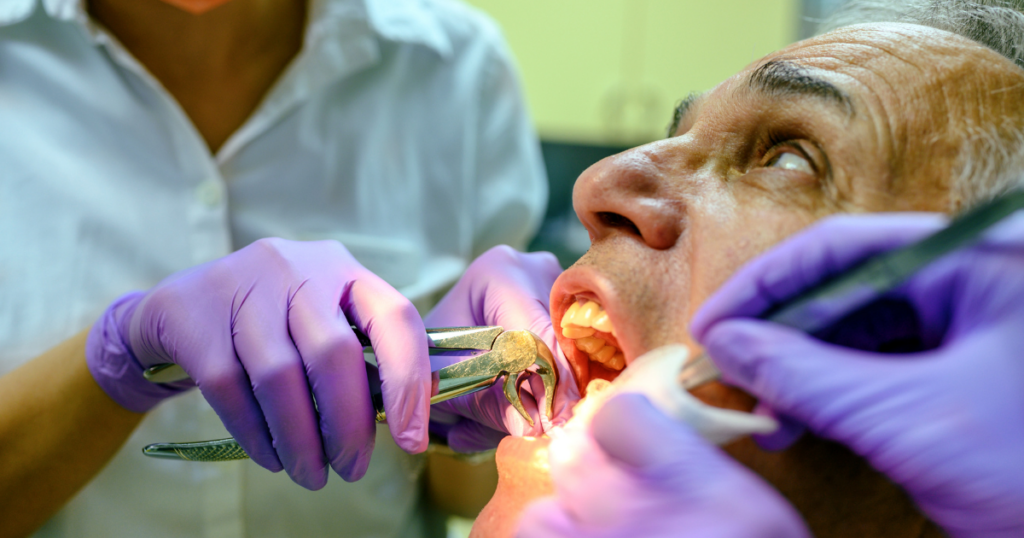
If you’re scheduled for a tooth extraction or your dentist has recommended one, it’s completely natural to feel anxious about what happens when you get a tooth pulled. The unknown can be unsettling, especially when it involves dental surgery and your comfort. This comprehensive guide walks you through every stage of what happens when you get a tooth pulled, from your initial consultation through complete healing, so you know exactly what to expect at each step. Modern dentistry has transformed what happens when you get a tooth pulled into a much more comfortable experience than many people imagine.
Today’s extraction techniques prioritize patient comfort through advanced anesthesia options, minimized tissue trauma, and evidence-based healing protocols. You’ll learn what you’ll actually feel during what happens when you get a tooth pulled, how long it takes to heal after tooth extraction, and the specific care instructions that promote optimal recovery. By the end of this guide, you’ll have a clear roadmap of the entire tooth removal healing process and feel more confident about what happens when you get a tooth pulled.
What to Expect Before Your Tooth Extraction Appointment
Understanding what happens when you get a tooth pulled starts with a thorough consultation that includes taking X-rays to assess the tooth’s position, root structure, and relationship to surrounding teeth and nerves. During this examination, your dentist will explain why do I need a tooth pulled—whether due to severe decay, advanced gum disease, crowding, infection, or damage that makes the tooth non-restorable. Your dentist will discuss sedation options ranging from local anesthesia alone to nitrous oxide (laughing gas), oral sedation, or IV sedation for patients with dental anxiety or complex extractions. You should bring a complete medical history to your consultation, including a detailed list of all current medications and supplements you take. Your dentist will also need to know about any known allergies, especially to anesthetics or antibiotics, as this information directly affects what to expect after getting a tooth removed. These health factors help your dentist plan the safest, most effective approach for your specific situation.
Before what happens when you get a tooth pulled, you’ll receive specific pre-procedure instructions tailored to your sedation choice and medical situation. If you’re receiving anything beyond local anesthesia, you’ll likely need to fast for 6-8 hours before what happens when you get a tooth pulled to prevent nausea, and your dentist may ask you to temporarily adjust certain medications. You’ll need to arrange for a responsible adult to drive you home if you’re receiving sedation beyond local anesthesia. Your dentist will also assess whether you need a simple extraction (for a tooth visible above the gumline with intact roots) or a surgical extraction (for teeth that are broken at the gumline, impacted, or have curved roots). This determination affects what to expect after getting a tooth removed and what happens when you get a tooth pulled in terms of recovery intensity. Wear comfortable clothing to your appointment and plan for the procedure to take 30-90 minutes depending on complexity.
| Extraction Type | When It’s Needed | Procedure Complexity | Recovery Time |
|---|---|---|---|
| Simple Extraction | Tooth fully visible above gumline with intact roots | 20-40 minutes, local anesthesia, elevator and forceps only | 3-5 days to normal activities, 7-10 days initial healing |
| Surgical Extraction | Impacted tooth, broken at gumline, or curved roots | 45-90 minutes, sedation options, incision and bone removal may be needed | 5-7 days to normal activities, 10-14 days initial healing |
| Wisdom Tooth Extraction | Impacted wisdom teeth, crowding, or infection risk | 30-60 minutes per tooth, often multiple teeth removed in one visit | 7-10 days to normal activities, 14-21 days initial healing |
| Emergency Extraction | Severe infection, abscess, or trauma requiring immediate removal | Varies by situation, infection management may extend timeline | Similar to simple or surgical depending on tooth condition |
What Happens When You Get a Tooth Pulled: During the Procedure
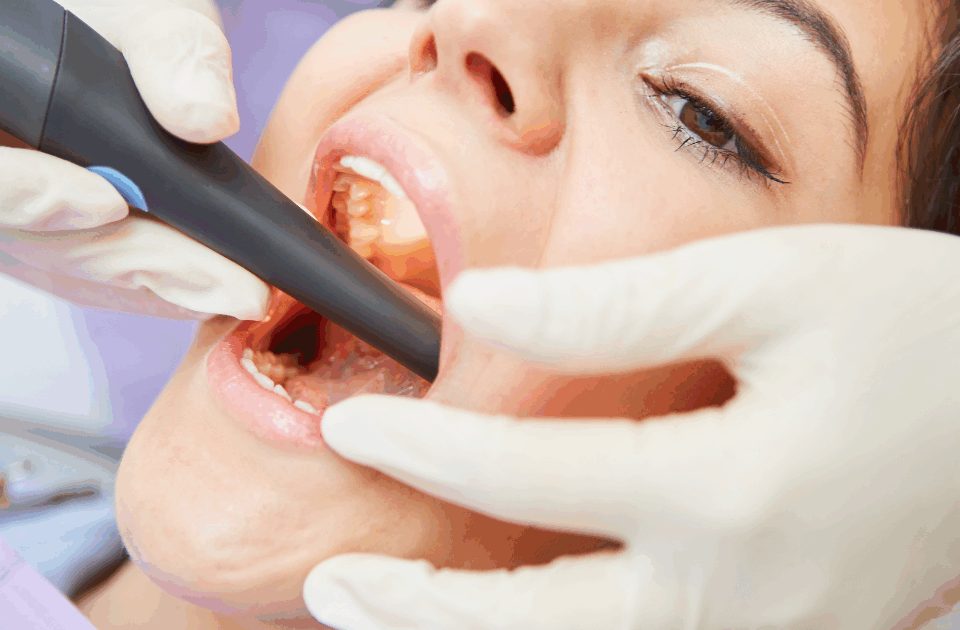
When you arrive for your extraction, understanding what happens when you get a tooth pulled from a sensory perspective helps reduce anxiety about the unknown, especially if you’re wondering is tooth extraction painful. The tooth extraction procedure steps begin with numbing the area using local anesthetic injections, which feel like a brief pinch followed by a sensation of pressure and fullness as the medication takes effect. For a simple extraction of a fully erupted tooth, your dentist uses an instrument called an elevator to gently rock the tooth back and forth, loosening it from the periodontal ligament. You’ll feel pressure during this process, and you may hear cracking or popping sounds as the tooth separates from the bone. Throughout the procedure, the anesthesia ensures you don’t experience pain during what happens when you get a tooth pulled.
What happens when you get a tooth pulled surgically involves additional steps when the tooth hasn’t fully emerged or has broken roots, requiring your dentist to make a small incision in the gum tissue to access the tooth and possibly remove some surrounding bone or section the tooth into smaller pieces for easier removal. The entire tooth extraction procedure steps typically take 20-40 minutes for a simple extraction and 45-90 minutes for more complex surgical cases. Throughout what happens when you get a tooth pulled, you’ll feel pressure, pushing, and pulling sensations, but the anesthesia ensures you don’t experience pain. Once the tooth is removed, your dentist cleans the socket, may place a few stitches if needed, and positions gauze over the site for you to bite down on to control bleeding and promote blood clot formation. You’ll receive detailed post-operative instructions before leaving the office.
- Local anesthesia numbs only the extraction area while you remain fully conscious and aware; nitrous oxide adds relaxation while keeping you responsive; oral sedation creates drowsiness and reduced memory of the procedure; IV sedation provides deep relaxation with little to no memory of the treatment.
- The “pressure without pain” sensation occurs because anesthesia blocks pain nerves but not pressure receptors—you’ll feel pushing, pulling, and movement but no sharp or burning sensations that would indicate pain.
- Common tools include elevators (to loosen the tooth), forceps (to grasp and remove the tooth), scalpels (for surgical extractions), and sometimes a dental drill (to section teeth or remove bone)—each serves a specific purpose in safely extracting the tooth with minimal trauma.
- Immediately after what happens when you get a tooth pulled, your dentist places folded gauze over the socket and instructs you to bite down firmly for 30-45 minutes to compress blood vessels and encourage clot formation, which is critical for proper healing.
- You’ll receive detailed post-operative instructions before leaving, including pain management protocols, dietary restrictions, activity limitations, and signs of complications that require immediate attention.
What Happens After You Get a Tooth Pulled: Recovery Timeline Days 1-7 and Beyond
The first 24 hours after what happens when you get a tooth pulled are the most critical for establishing proper healing and preventing complications. During this period, a blood clot forms in the empty socket, serving as a protective barrier over exposed bone and nerves while providing the foundation for new tissue growth. Pain typically peaks 6-12 hours after the anesthesia wears off, but prescribed or over-the-counter pain medication taken as directed keeps discomfort manageable. Stick to cool, soft foods and avoid hot liquids, straws, smoking, and vigorous rinsing—all of which can dislodge the crucial blood clot and cause a painful condition called dry socket. This initial phase sets the foundation for successful tooth extraction recovery timeline outcomes.

Days 2-7 represent the tooth extraction recovery timeline’s active healing phase when caring for extraction site becomes your daily routine. Swelling typically peaks on day 2-3, then gradually decreases—this is normal and doesn’t indicate infection unless accompanied by increasing pain, fever, or pus. You can begin gentle saltwater rinses after 24 hours to keep the area clean without disturbing the clot. Gradually transition from soft foods to your normal diet as comfort allows, typically by day 5-7, though you should continue avoiding the extraction site when chewing. Most patients return to work and normal activities within 2-3 days, though you should avoid strenuous exercise for at least a week. By week 2, the socket begins filling with new gum tissue, and by weeks 3-4, what happens when you get a tooth pulled reaches surface healing completion, though complete bone remodeling takes 3-6 months.
| Recovery Stage | Timeline | What’s Happening | What You’ll Notice |
|---|---|---|---|
| First 24 Hours | Day 0-1 | Blood clot formation and initial hemostasis | Bleeding, numbness wearing off, peak discomfort, swelling begins |
| Early Healing | Days 2-3 | Clot stabilizes, inflammation peaks, tissue repair begins | Maximum swelling, reduced pain, white/yellow healing tissue appears |
| Active Healing | Days 4-7 | Granulation tissue forms, swelling decreases, socket begins closing | Swelling resolving, minimal pain, can eat more normally, stitches dissolve |
| Soft Tissue Closure | Weeks 2-4 | Gum tissue grows over socket, surface healing completes | Site mostly closed, no visible hole, full diet resumed, no discomfort |
| Bone Remodeling | Months 1-6 | Bone fills socket, jaw reshapes, complete structural healing | No symptoms, area ready for implant if planned, complete healing |
Receive Comfortable, Expert Tooth Extractions at Newport Beach Smile Studio
At Newport Beach Smile Studio, we understand that knowing what happens when you get a tooth pulled helps reduce anxiety, but experiencing truly patient-centered care makes all the difference in your comfort and outcomes. Our practice combines advanced extraction techniques with multiple sedation options tailored to your anxiety level and procedure complexity, ensuring you feel relaxed and pain-free throughout what happens when you get a tooth pulled. Dr. Bozorgnia and our experienced team take time to explain each step, answer your questions thoroughly, and provide detailed aftercare instructions that set you up for the smoothest possible recovery. Our team will walk you through exactly what happens when you get a tooth pulled during your consultation, addressing all your concerns with compassion and expertise. Don’t let fear of the unknown delay necessary dental treatment—schedule your consultation today to discuss what happens when you get a tooth pulled with a team that prioritizes your comfort, safety, and long-term oral health.
FAQs About Tooth Extractions
Is tooth extraction painful?
With modern anesthesia, you shouldn’t feel pain during what happens when you get a tooth pulled—only pressure sensations as your dentist works. Most patients report the anticipation is worse than the actual procedure, and post-procedure discomfort is manageable with prescribed or over-the-counter pain medication.
How long does it take to heal after tooth extraction?
Initial healing of the extraction site takes 1-2 weeks, while complete bone healing takes 3-6 months. Most patients return to normal activities within 2-3 days and can eat normally within a week.
What can I eat after getting a tooth pulled?
Stick to soft, cool foods for the first 24-48 hours like yogurt, smoothies, mashed potatoes, and ice cream. Gradually reintroduce solid foods as comfort allows, avoiding the extraction site and anything hot, crunchy, or requiring excessive chewing for the first week.
What is dry socket and how do I prevent it?
Dry socket occurs when the blood clot dislodges from the extraction site, exposing bone and nerves, which happens in 2-5% of extractions. Prevent it by avoiding straws, smoking, vigorous rinsing, and following all post-operative instructions your dentist provides.
When should I call my dentist after a tooth extraction?
Contact your dentist immediately if you experience severe pain not controlled by medication, bleeding that doesn’t stop after 24 hours, signs of infection (fever, pus, increasing swelling after day 3), or difficulty breathing/swallowing. Some discomfort is normal, but these symptoms require professional evaluation.