When You Get A Cavity Filled Does It Hurt What To Expect At The Dentist
January 19, 2026
When Are You Fully Healed From Wisdom Teeth Removal? A Complete Recovery Timeline
February 3, 2026
Reading Time: 6 mins
Chipping a tooth can happen when you least expect it. Whether it occurs during a sports activity, while eating, or from an accidental fall, a chipped tooth can range from a minor cosmetic concern to a more serious dental issue requiring prompt attention.
Knowing how to respond when a tooth chips, understanding when professional care is necessary, and learning how to prevent future damage can help you protect your smile and avoid complications.
Common Causes of Chipped Teeth
Teeth are remarkably strong, but they are not indestructible. Understanding what causes teeth to chip helps you avoid habits and situations that put your dental health at risk.
Accidental injury or trauma accounts for many chipped teeth. Falls, blows to the face, car accidents, and sports-related impacts can all damage teeth. Contact sports like football, basketball, hockey, and boxing pose particular risks, especially when protective mouthguards are not worn.
Biting hard substances is a surprisingly common cause of dental damage. Many people habitually chew on ice, bite their fingernails, or use their teeth to open packages. Biting down on unexpected hard objects in food, such as popcorn kernels, olive pits, or bone fragments, can also crack or chip teeth.
Tooth decay and weakened enamel make teeth more vulnerable to damage. Cavities weaken tooth structure, and enamel erosion from acidic foods, beverages, or acid reflux reduces the protective outer layer. A tooth compromised by decay may chip from forces that would not affect a healthy tooth.
Teeth grinding (bruxism) wears down enamel over time and can cause chips and cracks. Many people grind their teeth during sleep without realizing it, gradually weakening their teeth until damage occurs.
Large fillings can weaken the remaining tooth structure. Teeth with extensive dental work may be more prone to chipping because less natural tooth material remains to provide strength.
Age-related wear affects everyone over time. Years of chewing, grinding, and exposure to acidic substances gradually weaken enamel, making teeth more susceptible to damage as we get older.
Immediate Steps to Take When You Chip a Tooth
Acting quickly when you chip a tooth helps manage discomfort and protects against further damage or infection. Here is what you should do right away.
Rinse your mouth gently with warm water to clean the area and remove any small tooth fragments. This reduces infection risk and helps you assess the damage. If you can find the chipped piece, save it and bring it to your dental appointment, though it usually cannot be reattached.
Control any bleeding by pressing clean gauze or a damp tea bag against the affected area. Apply gentle pressure for ten to fifteen minutes. Bleeding from a chipped tooth is typically minor and should stop relatively quickly.
Reduce swelling and pain by applying a cold compress to the outside of your cheek near the damaged tooth. Use the compress in intervals of fifteen to twenty minutes on, then fifteen to twenty minutes off. Over-the-counter pain relievers like ibuprofen or acetaminophen can help manage discomfort until you see your dentist.
Protect the damaged tooth from further injury. If the chip has created a sharp or jagged edge that irritates your tongue or cheek, cover it temporarily with dental wax or sugar-free gum until you can get professional treatment.
Modify your diet temporarily to avoid aggravating the damaged tooth. Stick to soft foods and avoid chewing on the affected side of your mouth. Stay away from very hot or cold foods and beverages, as temperature extremes may cause pain if the inner layers of the tooth are exposed.
Contact your dentist as soon as possible to schedule an appointment. While not every chipped tooth requires emergency care, professional evaluation ensures proper treatment and prevents complications.
Recognizing the Symptoms of a Chipped Tooth
Sometimes a chipped tooth is immediately obvious when you look in the mirror or feel a piece break off. Other times, the signs are more subtle.
Visible damage is the most obvious indicator. You may notice a piece missing from your tooth, a rough or uneven edge, or a crack line running through the enamel.
Pain or a toothache may occur if the chip exposes the sensitive inner layers of the tooth. Pain might be constant or may only appear when biting down or when the tooth contacts food.
Temperature sensitivity develops when enamel damage exposes the dentin layer underneath. Hot coffee, cold water, or even breathing in cold air may trigger discomfort or sharp pain.
Rough or sharp edges that you can feel with your tongue indicate a chip, even if you cannot see it clearly. These rough spots may irritate or cut the soft tissues of your mouth.
Gum irritation around the affected tooth may signal that the chip extends below the gum line or that the rough edge is causing tissue damage.
When to Seek Professional Dental Care
While minor chips may not feel urgent, only a dental professional can properly assess the damage and recommend appropriate treatment.
Dentists classify tooth fractures into three categories based on severity. Minor chips affect only the outer enamel layer and are primarily cosmetic concerns. Moderate chips extend into the dentin, the layer beneath the enamel, and typically cause sensitivity. Severe fractures expose the pulp, the innermost part of the tooth containing nerves and blood vessels, and require prompt treatment.
Your dentist will examine the tooth visually, may take X-rays to assess damage below the surface, and will recommend treatment based on the severity and location of the chip.
Seek urgent dental care if you experience persistent or intense pain that does not respond to over-the-counter medication, significant sensitivity to touch or temperature, swelling or bleeding from the gums around the tooth, difficulty eating or speaking, fever or signs of infection, or a chip that exposes pink or red tissue inside the tooth.
How Dentists Treat Chipped Teeth
Treatment depends on the size and location of the chip, which tooth is affected, and your personal preferences regarding appearance and durability.
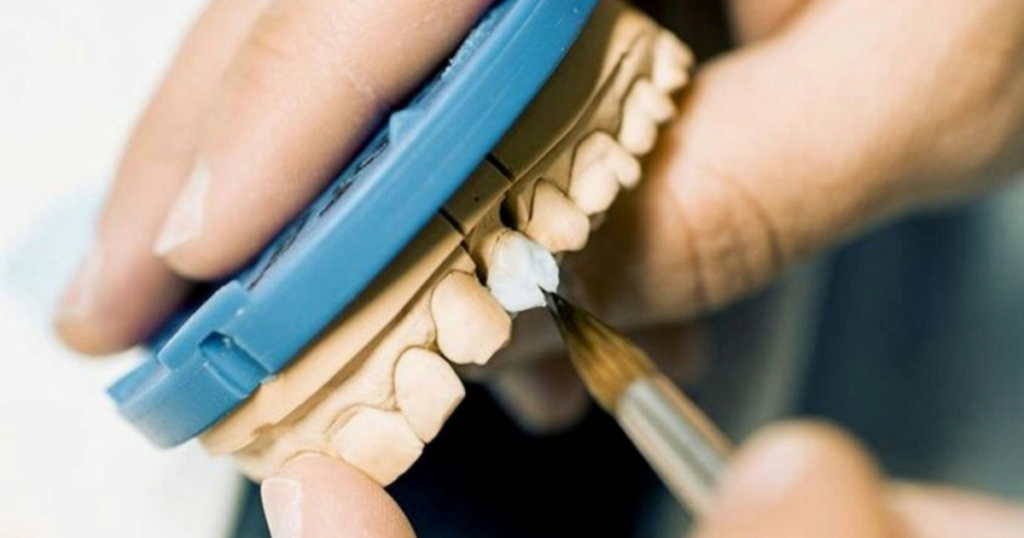
Dental bonding is often the first choice for small chips, especially on visible front teeth. Your dentist applies a tooth-colored composite resin to the damaged area, shapes it to match your natural tooth contour, and hardens it with a special curing light. Bonding is quick, affordable, and typically completed in a single visit.
Dental veneers may be recommended for front teeth with more significant damage or for patients wanting optimal cosmetic results. These thin shells of porcelain or composite material cover the entire front surface of the tooth, hiding the damage while creating a natural, attractive appearance.
Dental crowns are necessary for more severe chips or when significant tooth structure has been lost. A crown is a cap that covers the entire visible portion of the tooth, restoring its shape, strength, and appearance. Crowns can be made from porcelain, ceramic, metal, or combinations of materials depending on the tooth’s location and functional demands.
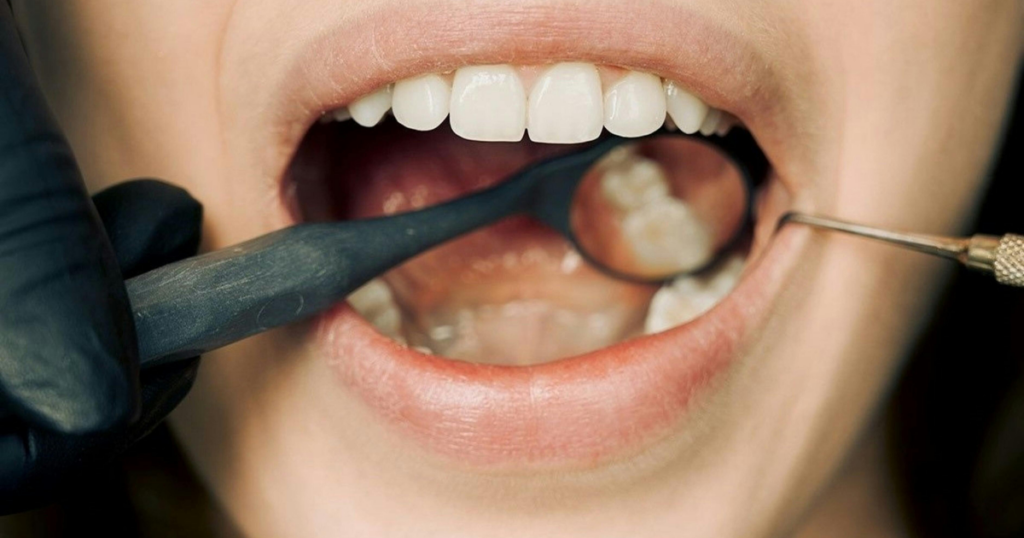
Root canal therapy becomes necessary when a chip or fracture exposes the tooth’s pulp. Without treatment, exposed pulp tissue will become infected, potentially leading to abscess, severe pain, and tooth loss. During a root canal, your dentist removes the damaged pulp, cleans and seals the interior of the tooth, and typically places a crown for protection.
Dental implants may be the best option if the tooth is too severely damaged to save. An implant replaces the entire tooth with an artificial root and crown that look and function like a natural tooth.
Preventing Chipped Teeth
Taking proactive steps to protect your teeth reduces the risk of chips and other dental injuries.
Maintain excellent oral hygiene by brushing twice daily with fluoride toothpaste, flossing daily, and seeing your dentist for regular checkups and cleanings. Strong, healthy teeth resist damage better than those weakened by decay or gum disease.
Wear a mouthguard during sports and physical activities that pose injury risk. Custom-fitted mouthguards from your dentist provide the best protection, though over-the-counter options offer some benefit. Even non-contact sports like basketball and cycling can result in dental injuries.
Avoid chewing hard objects, including ice, hard candy, popcorn kernels, pen caps, and fingernails. Never use your teeth as tools to open packages, bottles, or containers.
Address teeth grinding if you wake with jaw pain, headaches, or if your partner reports hearing you grind at night. Your dentist can create a custom night guard that protects your teeth while you sleep.
Be mindful of your diet by limiting acidic foods and beverages that erode enamel. Consume calcium-rich foods like dairy products, leafy greens, and fortified foods to support strong teeth.
FAQs About Chipped Teeth
1. What should I do immediately after chipping a tooth?
Rinse your mouth with warm water to clean the area and remove any fragments. Apply a cold compress to reduce swelling and take over-the-counter pain medication if needed. Contact your dentist to schedule an appointment for evaluation and treatment.
2. Is a chipped tooth considered a dental emergency?
Most chipped teeth are not emergencies, but some situations require urgent care. Seek immediate attention if you experience severe pain, significant bleeding, signs of infection, or if the chip exposes pink or red tissue inside the tooth. When in doubt, call your dentist for guidance.
3. Can a chipped tooth heal on its own?
No, tooth enamel cannot regenerate or heal itself. Unlike bones, teeth cannot repair damage naturally. Professional dental treatment is necessary to restore the tooth and prevent further problems.
4. How much does it cost to fix a chipped tooth?
Treatment costs vary depending on the severity of the damage and the procedure required. Simple bonding may cost a few hundred dollars, while crowns and root canals are more expensive. Dental insurance often covers a portion of restorative treatments. Your dentist can provide a specific estimate after examination.
5. Will a chipped tooth get worse if I wait to see a dentist?
Delaying treatment can allow the damage to worsen. A small chip may enlarge, bacteria can enter cracks and cause decay or infection, and sensitivity may increase. Additionally, sharp edges can injure soft tissues in your mouth. Prompt evaluation and treatment prevent complications.
Restore Your Smile at Newport Smile
A chipped tooth does not have to compromise your smile or your comfort. Newport Smile provides expert dental care for chips, cracks, and all types of tooth damage using the latest techniques and materials. Our experienced team will assess your situation, explain your treatment options clearly, and help you choose the best solution for your needs and budget. Whether you need simple bonding, a custom crown, or a more comprehensive restoration, we are committed to delivering results that look natural and last. Contact Newport Smile today to schedule your appointment and take the first step toward restoring your healthy, beautiful smile.