Smoking After Tooth Extraction: What Your Dentist Needs You to Know
March 19, 2026
That sudden crunch during dinner, the sharp edge you feel with your tongue, the moment of panic when you realize you’ve chipped a tooth—knowing what to do when teeth chip can make the difference between a simple cosmetic fix and a complicated dental emergency. Whether you bit down on ice, took an elbow during a pickup basketball game, or discovered damage from grinding your teeth at night, understanding the right response protects your tooth and manages your discomfort. The good news is that while a chipped tooth always requires professional attention, most cases aren’t true emergencies that demand a midnight trip to the ER. Understanding what to do when teeth chip in those critical first hours sets you up for the best possible repair outcome.
The reality is that tooth enamel, despite being the hardest substance in your body, can fracture under the right circumstances—and it happens more often than you might think. From minor chips that barely affect the tooth’s edge to significant fractures that expose the sensitive inner pulp, the severity of damage varies widely, and so does the urgency of treatment. What matters most in those first moments after discovering the chip is staying calm, taking immediate protective steps, and accurately assessing when is a chipped tooth an emergency versus a situation that can wait. This guide walks you through the exact protocol dental professionals recommend for what to do when teeth chip, explains how to distinguish between minor cosmetic issues and genuine emergencies, and outlines what modern dentistry can do to restore both the function and appearance of your damaged tooth.
What to Do When Teeth Chip: Immediate Steps to Take
The moment you realize you’ve chipped a tooth, your first action should be to gently rinse your mouth with warm water to clean the area and assess the damage. If you can locate any fragments of the broken tooth, carefully retrieve them, rinse them with clean water, and store them in a small container with milk, saline solution, or even your own saliva. These fragments can sometimes be reattached by your dentist, particularly if the chip is fresh and the piece is substantial. While rinsing, take a moment to carefully feel the damaged area with your tongue to gauge the severity, but avoid pressing hard or repeatedly touching sharp edges that could cut your soft tissue. This initial assessment helps you determine what to do when teeth chip and whether you’re dealing with a minor cosmetic issue or something more serious. Remember that while you can take these immediate steps for what to do when teeth chip, home care is temporary and not how to fix a broken tooth at home permanently.
If you notice any bleeding from the gums or soft tissue around the chipped tooth, apply gentle pressure with clean gauze or a damp tea bag for about 10 minutes until the bleeding stops. Swelling often accompanies tooth injuries, especially if the chip resulted from trauma to your face or jaw, so apply a cold compress to the outside of your cheek in 15-minute intervals to reduce inflammation. To protect yourself from the sharp edges of the damaged tooth—which can cut your tongue, cheeks, or lips—you can temporarily cover the jagged surface with dental wax or even a small piece of sugar-free gum. These immediate steps for chipped tooth emergency care don’t fix the problem, but they significantly reduce your risk of additional injury and keep you more comfortable while you arrange to see a dentist. Remember that even if the chip seems minor and causes no pain, knowing what to do when teeth chip includes understanding that the damaged tooth structure is now vulnerable to bacteria and further cracking. Taking these protective measures represents the essential first response for what to do when teeth chip before professional treatment.
| Immediate Action | Purpose | Timing |
|---|---|---|
| Rinse mouth with warm water | Clean area and assess damage | Within first 5 minutes |
| Save tooth fragments in milk or saliva | Preserve for possible reattachment | Immediately after locating |
| Apply gauze to bleeding areas | Control bleeding from soft tissue | 10 minutes of gentle pressure |
| Use cold compress on cheek | Reduce swelling and numb pain | 15-minute intervals for first hour |
| Cover sharp edges with dental wax | Prevent cuts to tongue and cheeks | Until dental appointment |
What to Do When Teeth Chip: Assessing Emergency vs. Routine Care
Understanding the difference between a dental emergency and a situation that can wait until regular business hours saves you unnecessary stress and helps you make informed decisions about what to do when teeth chip. A minor chip that affects only the enamel—the outer protective layer of your tooth—typically appears as a small rough spot or slightly jagged edge and causes little to no pain. These cosmetic chips, while they absolutely need repair to prevent future problems, rarely constitute true emergencies and can usually be addressed with a next-business-day appointment. On the other hand, a significant fracture that exposes the tooth’s inner pulp, causes severe throbbing pain, or results in heavy bleeding requires same-day emergency dental care. The key distinction lies in whether the damage threatens the tooth’s nerve, creates a serious infection risk, or causes unmanageable pain—these situations demand immediate professional intervention when you’re determining what to do when teeth chip. Many patients wonder can a small chipped tooth heal itself, but the answer is always no, regardless of whether it’s an emergency or routine repair situation.
Several specific warning signs indicate you should seek emergency care rather than waiting, and recognizing these symptoms helps you determine what to do when teeth chip in more serious scenarios. If you experience sharp, intense pain that doesn’t subside with over-the-counter pain relievers, this often signals nerve exposure requiring urgent treatment. When you can see a pink or red spot in the center of the broken tooth, you’re looking at exposed pulp, which creates a direct pathway for bacteria. Heavy bleeding from the gums surrounding the chipped tooth that continues for more than 15 minutes despite applied pressure warrants immediate emergency care. Understanding what to do when teeth chip means recognizing when professional intervention cannot wait.
- Severe, persistent pain: Throbbing or sharp pain that doesn’t respond to ibuprofen or acetaminophen within 30-45 minutes indicates possible nerve exposure requiring emergency treatment.
- Visible pulp exposure: A pink, red, or dark spot in the center of the broken tooth means the nerve chamber is open and vulnerable to infection.
- Uncontrolled bleeding: Bleeding from gums or soft tissue that continues beyond 15 minutes of applied pressure may require immediate intervention.
- Large fracture or missing tooth portion: When more than a quarter of the tooth is missing or the break extends below the gum line, emergency care prevents further structural damage.
- Facial trauma or jaw injury: If the chipped tooth occurred during an accident that also injured your jaw, face, or head, emergency evaluation rules out fractures.
- Fever or facial swelling: These symptoms appearing within hours of the chip suggest rapid infection development requiring immediate treatment.
What to Do When Teeth Chip: Pain Management While Waiting
Managing broken tooth pain relief effectively while you wait for your dental appointment involves a combination of over-the-counter medications, protective measures, and careful attention to what you eat and drink. For most chipped teeth, ibuprofen at 400-600mg every six hours provides effective pain control and reduces inflammation around the damaged tooth. If you can’t take ibuprofen due to allergies or other medications, acetaminophen at 650-1000mg every six hours offers an alternative. You can also apply a topical oral anesthetic gel containing benzocaine directly to the chipped area for temporary numbing relief, but use these products sparingly and never as a substitute for professional care. Clove oil, a natural analgesic, can be dabbed on the affected tooth with a cotton swab for additional pain relief. These methods help you stay comfortable and represent practical answers to what to do when teeth chip in terms of symptom management.
Equally important to knowing what to do when teeth chip is understanding what not to do while waiting for treatment, as certain actions can worsen the damage or create additional problems. Never place aspirin directly on your gums or against the chipped tooth—despite old folk wisdom suggesting this helps, aspirin is acidic and causes chemical burns to soft tissue. Avoid extremely hot or cold foods and beverages, as the damaged tooth structure often exposes sensitive dentin that reacts painfully to temperature extremes. Stick to soft foods that don’t require aggressive chewing, and try to chew on the opposite side of your mouth to protect the compromised tooth. Don’t ignore sharp edges that cut your tongue or cheeks—keep them covered with dental wax. Most critically, don’t delay scheduling your dental appointment even if the pain subsides, because what to do when teeth chip always includes professional evaluation. A tooth that stops hurting hasn’t healed itself, and knowing what to do when teeth chip means understanding that professional care remains essential regardless of pain levels.
Professional Treatment Options and What to Expect
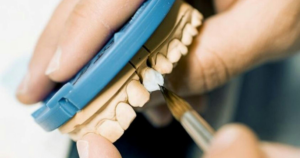
When you visit the dentist for a chipped tooth, the specific minor tooth chip repair options or more extensive treatments recommended depend entirely on the size, location, and severity of the damage. For small cosmetic chips affecting only the enamel on front teeth, dental bonding offers a quick solution where tooth-colored composite resin is sculpted onto the damaged area. Slightly larger chips or those on molars that endure heavy chewing forces may require porcelain veneers, which are thin shells custom-made to cover the front surface of the tooth. When the chip is substantial enough to compromise the tooth’s structural integrity but hasn’t exposed the nerve, a dental crown becomes necessary. For severe fractures with pulp exposure, root canal therapy precedes crown placement to remove damaged nerve tissue and prevent infection. Understanding what to do when teeth chip professionally ensures you receive appropriate care based on your specific situation.
Understanding tooth fracture treatment costs helps you plan financially and make informed decisions about your care, though exact prices vary based on the extent of damage. In the Orange County area, dental bonding for minor chips typically ranges from $300 to $600 per tooth, making it the most economical option for small cosmetic repairs. Porcelain veneers cost significantly more at $1,000 to $2,500 per tooth but provide superior aesthetics and durability for front teeth. Dental crowns generally run $1,200 to $2,500 depending on the material chosen, while root canal therapy adds another $800 to $1,500 to the total treatment cost. Most dental insurance plans cover at least a portion of restorative treatments like crowns when medically necessary. At a modern practice equipped with advanced technology, same-day crown fabrication using CAD/CAM systems can eliminate the need for temporary crowns and multiple appointments, and emergency dentist for broken tooth services ensure you receive prompt care when determining what to do when teeth chip.
| Treatment Type | Best For | Typical Cost Range | Appointment Time |
|---|---|---|---|
| Dental Bonding | Small enamel chips, cosmetic repairs | $300-$600 | Single visit, 30-60 minutes |
| Porcelain Veneer | Front teeth, larger chips, aesthetic concerns | $1,000-$2,500 | Two visits, custom fabrication |
| Dental Crown | Significant structural damage, molars | $1,200-$2,500 | Same-day or two visits |
| Root Canal + Crown | Nerve exposure, severe fractures | $2,000-$4,000 | Multiple visits, staged treatment |
Get Expert Emergency Dental Care Today
When you’re facing a chipped tooth and wondering what to do when teeth chip, the most important step is connecting with a dental team that combines emergency availability with advanced cosmetic repair capabilities. Newport Beach Smile Studio offers same-day emergency appointments for patients dealing with broken or chipped teeth, ensuring you receive prompt evaluation and treatment when you need it most. Whether you’re dealing with a minor cosmetic chip that’s affecting your confidence or a more serious fracture causing pain and sensitivity, the experienced team provides personalized treatment plans that address both the immediate problem and your long-term dental health. The practice specializes in chipped tooth emergency care with state-of-the-art technology and compassionate professionals who understand what to do when teeth chip. Don’t let uncertainty about what to do when teeth chip delay your care—contact Newport Beach Smile Studio today to schedule an emergency evaluation and restore your smile with expert care.
FAQs About Chipped Teeth
Can a small chipped tooth heal on its own?
No, a small chipped tooth cannot heal itself because tooth enamel lacks living cells and cannot regenerate once damaged. While the chip may not worsen immediately, the compromised tooth structure remains vulnerable to bacteria, further cracking, and decay without professional repair.
How much does it cost to fix a chipped tooth in Orange County?
The cost to fix a chipped tooth in Orange County ranges from $300-$600 for simple dental bonding to $1,200-$2,500 for crowns, depending on the severity of damage and treatment required. Most dental insurance plans cover a portion of restorative treatments when medically necessary rather than purely cosmetic.
Will my insurance cover chipped tooth repair?
Most dental insurance plans cover chipped tooth repair when the treatment is necessary to restore function or prevent further damage, typically covering 50-80% of costs after your deductible. Purely cosmetic repairs on minor chips may not be covered, so reviewing your specific policy benefits before treatment helps you understand your out-of-pocket costs.
How long can I wait before seeing a dentist for a chipped tooth?
You should see a dentist within 24-48 hours for most chipped teeth, even if you’re experiencing minimal pain or discomfort. Waiting longer increases your risk of infection, further damage, and more expensive treatment, while prompt care often allows for simpler, more conservative repair options.
What happens if I don’t fix a chipped tooth?
An untreated chipped tooth will likely develop decay where bacteria enter through the damaged enamel, potentially leading to infection, abscess, or tooth loss over time. The weakened tooth structure also increases risk of further fracturing and can cause ongoing soft tissue injuries to your tongue and cheeks.