
When Can You Drink After Wisdom Teeth Removal Safely and What Dentists Recommend
January 7, 2026
When Can You Smoke After Tooth Extraction: Timing, Risks, and Recovery Tips
January 11, 2026
Tooth extraction is a common dental procedure that can provide relief from pain and discomfort and prevent many oral health issues. Whether you are dealing with impacted wisdom teeth or severely decayed or broken teeth, your dentist may recommend a tooth removal. While getting a tooth pulled out is not a very complex procedure, understanding how to take care of your mouth during the recovery is crucial for avoiding complications and resuming your normal life as fast as possible. One of the factors to consider during the healing process is your sleeping position.
Many patients love sleeping on their sides and worry that they won’t be able to do it after dental surgery. If you are one of them, you’ve come to the right place! In our guide, we will explain how tooth extraction affects your sleep, what the best position for slumber is after you get a tooth removed, and when you can return to your favorite habit and sleep on the side of your body.
Why Sleeping Position Matters After Tooth Extraction
Your posture during slumber plays an important role in the recovery process after dental surgery. The way you position your body when you sleep can either alleviate or exacerbate the normal side effects of tooth removal, such as swelling and bleeding. Picking the wrong pose at night may increase your pain and discomfort the following day.
In general, it is recommended to sleep with your head elevated above the level of your heart. This can be achieved by lying on your back and propping your head up with several pillows. This way, you will reduce blood flow to the affected area and minimize inflammation.
How Long Should You Avoid Sleeping on Your Side
While temporary, sticking to a specific sleeping position after getting a tooth pulled out can be annoying. So, how many days do you need to avoid sleeping on your side? Most dentists advise against side sleeping for at least 48 hours after the extraction.
The first two nights after the surgery, you should sleep on your back with your head raised. This is particularly important if you’ve had the lower molars removed—sleeping on the side with the head resting on the pillow may lead to the dislodging of the blood clot that protects the extraction site. If after two days you still feel pain, consult your dentist and continue sleeping on your back.
Best Sleeping Position After Tooth Extraction
What is the safest way to position your body at night after dental surgery? The consensus is that sleeping on your back is the best choice. Here are a few reasons to choose this sleeping position:
- Maintain elevation: When you sleep on your back, it is easy to place a few pillows under your head and keep it elevated through the night to reduce swelling.
- Avoid pressure: When you sleep on your side, you put pressure on your cheeks, which can intensify the bleeding. Sleeping on your back ensures your face is not pressed against the pillow.
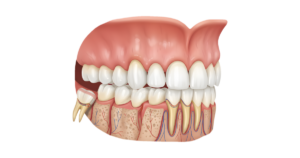
- Protect the surgical site: Blood clots are essential for successful recovery—they cover the empty socket and assist the healing process. Dislodging the clot can lead to a serious complication known as a dry socket. When you sleep on your back, the clot is less likely to be disturbed.
Tips for Comfortable Sleep After Tooth Extraction
Follow our advice to reduce discomfort and sleep better after getting a tooth pulled out:
- Choose the right pillow: Pick a firm pillow that will keep your head supported when you sleep, and consider getting a wedge pillow designed to help people sleep at an angle.
- Wear comfortable clothes: Restrictive, tight clothing may make it difficult to stick to one sleeping position—put on loose sleepwear made of breathable fabric.
- Keep the room dark and quiet: Turn off all the lights, minimize the noise, and lower the temperature in the bedroom before you go to bed.
- Use pain medication: Talk to your dentist about the medication you can take before bed to alleviate the pain and have a good night’s sleep.
When Can You Return to Sleeping on Your Side
Are you used to sleeping on your left or right side and feeling uncomfortable on your back? As long as you adhere to the recommendations of your dentist and sleep on your back during the first two days after the surgery, you can return to your favorite sleeping position on the third day as long as you feel well enough to do so.
Pay attention to your body—if sleeping on the side makes you feel unwell, switch to sleeping on your back instead. In most cases, as long as you do not put pressure on the side of your face where the tooth was extracted, you will be able to sleep on your side without any issues.
FAQs
Is it OK to sleep on my side after a tooth extraction?
It is not recommended to sleep on your side right after the surgery—you may put pressure on the extracted site and increase bleeding. Sleep on your back during the first 48 hours after the extraction.
What is the best sleeping position after a tooth extraction?
The best sleeping position after dental surgery is to lie on your back and keep your head elevated with the help of a few pillows. This will minimize the swelling and protect the blood clot.
How long after tooth extraction can I sleep normally?
You may have to adjust your sleeping habits for a few days after getting a tooth pulled out, but most patients can return to their normal sleeping position within 3-7 days after the extraction.
Will sleeping on my side cause a dry socket?
Sleeping on your side increases the chances of developing a dry socket—a painful condition that takes place when the blood clot is dislodged from the socket. To prevent this, sleep on your back and keep your head raised.
What should I do if I slept on my side after a tooth extraction?
If you slept on your side contrary to the advice of your dentist, pay attention to the symptoms of the dry socket—severe pain, fever, and swollen gums. Reach out to your dentist to get help if you are feeling unwell.
Sleep Better After Tooth Extraction With Our Tips
Your sleeping position is an important factor to consider after you get a tooth pulled out. Hopefully, our guide has helped you understand the importance of sleeping on your back to facilitate the healing process and temporarily avoid sleeping on your side to prevent complications.
For personalized advice, reach out to Newport Smile! Our dental professionals will be happy to assist you before, during, and after the tooth extraction. Get in touch with our clinic via phone or email to book an appointment.