
When Can I Sleep on My Side After Tooth Extraction: Answers for a Comfortable and Safe Recovery
January 9, 2026
When to Eat After Tooth Extraction Safely for Comfort and Healing
January 13, 2026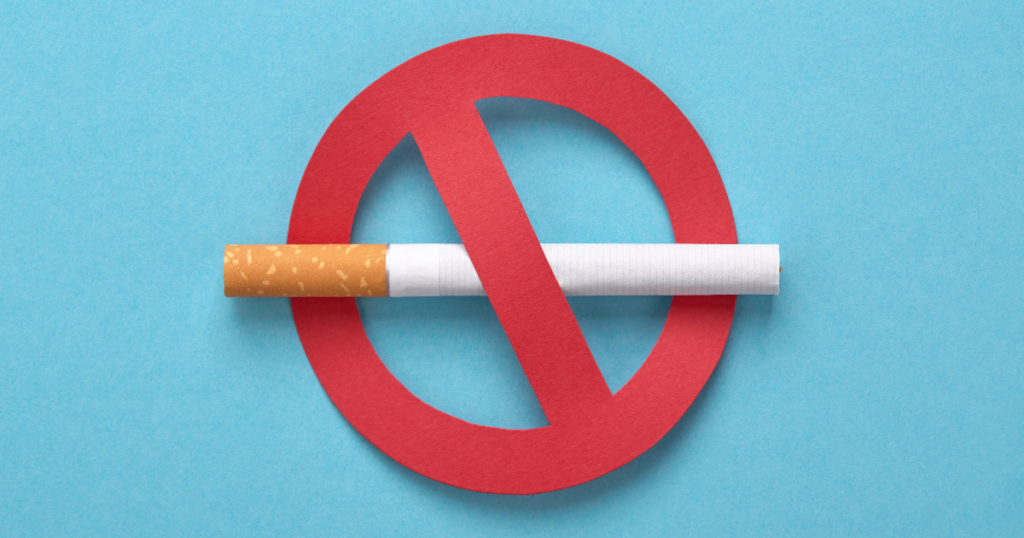
Reading Time: 4 mins
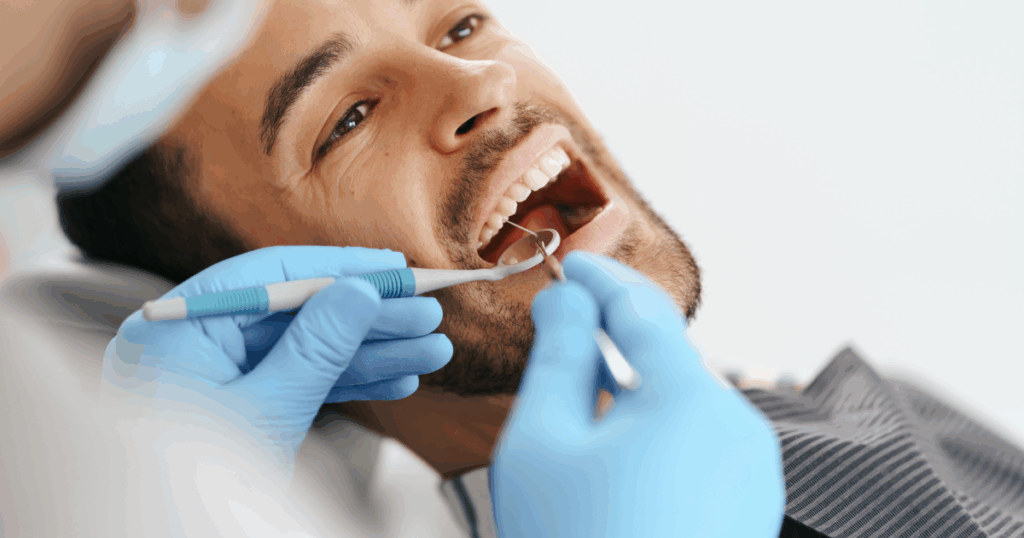
Having a tooth extracted can be a daunting experience, especially if it is your first time. Whether you need to remove a broken tooth or get your wisdom teeth extracted, you may be worried about the procedure, the associated pain, and the recovery process. And if you are a smoker, you may have additional questions and concerns.
It is not safe to smoke immediately after the surgery, but how long should you wait to light your favorite cigarette? In our guide, we will tell you why smoking after an extraction is a bad idea, explain the dangers of this habit for your recovery, and figure out when it is safe to resume smoking after a tooth extraction.

Why Smoking After Tooth Extraction Is a Bad Idea
There are several reasons to avoid smoking after you have a tooth removed:
- The chemicals in the cigarettes may delay the healing of the extraction site, increasing your discomfort
- Sucking on a cigarette may lead to a painful condition called dry socket—when a blood clot that is supposed to protect the extraction area is dislodged, you may deal with severe pain and inflammation
- If you decide to smoke shortly after the surgery, you may lengthen the recovery time and suffer from a toothache and swelling
How Long Should You Avoid Smoking After Tooth Extraction
On average, patients are advised to stay away from smoking for at least seventy-two hours after the tooth is extracted. This way, you will minimize the risks of complications and give your mouth time to heal without additional irritation.
If you have been struggling with nicotine addiction, mention this to your dentist before the extraction—the healthcare provider will be able to give you personalized recommendations based on your unique circumstances. In certain cases, it may be necessary to give up smoking for a week or longer to ensure proper recovery.
Tips to Prevent Smoking After Tooth Extraction
Here is what you can do to reduce and temporarily stop your smoking habit after the extraction:
- Inform your friends and family members about the upcoming procedure and ask them to support you—for instance, they can keep you company to distract you when you feel the urge to smoke
- Let your dentist know you are a smoker—this will allow you to get tailored advice before and after the extraction, as well as a list of substitutes you can use instead of cigarettes
- Come up with alternatives to keep your mouth busy—instead of smoking, you can chew gum (make sure it is sugar-free) or suck on a lollipop
Symptoms to Watch Out For After Tooth Extraction
While minor pain and discomfort after the tooth is pulled out are normal, in some cases, patients develop worrisome symptoms:
- You are feeling unwell—you have a headache, feel dizzy, and run a high temperature
- The bleeding from the extraction site does not stop hours after the surgery
- Your face is swollen—the inflammation has spread to your gums, jaw, and cheeks
If you have noticed any of the symptoms from the list above, get in touch with your dentist—you may need a follow-up appointment to address the complication.
When to Visit a Dentist After Tooth Extraction
It is recommended to see your dentist at least once after the tooth extraction—the healthcare provider will be able to examine your mouth and ascertain that the recovery is going well. On average, the first visit to the dentist takes place within forty-eight hours after the tooth is pulled out.
If you have felt fine during the recovery and there are no visible signs of trouble, you may still want to pay a visit to the dentist a month or two after the extraction to make sure your oral health is not in jeopardy.
FAQs
Is it ok to smoke 24 hours after the tooth extraction?
It is not recommended to smoke within the first day after the surgery—give it at least three days to ensure proper healing.
What happens if you smoke after a tooth extraction?
You may struggle with several complications, from delayed recovery to the dangerous dry socket that develops when the blood clot is removed.
How long should you wait to smoke after a tooth extraction?
Ideally, you should refrain from smoking for three days—in some cases, dentists advise giving up this habit for a week or more.
How do I stop the urge to smoke after the extraction?
Ask your dentist to prescribe you nicotine substitutes, spend time with friends who will support you in this endeavor, and avoid being around smokers.
What are the signs of dry socket?
If you feel intense pain several days after the extraction and notice an unpleasant smell coming from your mouth, you may be suffering from a dry socket—contact your dentist for help.
Smile Bright Without Compromising Your Recovery
We hope that our tips will help you take care of your health and give up smoking, at least for a few days after the tooth extraction. Whether you succeed in abandoning this habit in the long run or not, you should reach out to a dental professional and get their advice if smoking causes you trouble.
Are you looking for a qualified dentist to guide you? Do not hesitate to get in touch with Newport Smile! Our team will be happy to answer your questions and assist you with the tooth extraction procedure—call or visit us at your convenience!